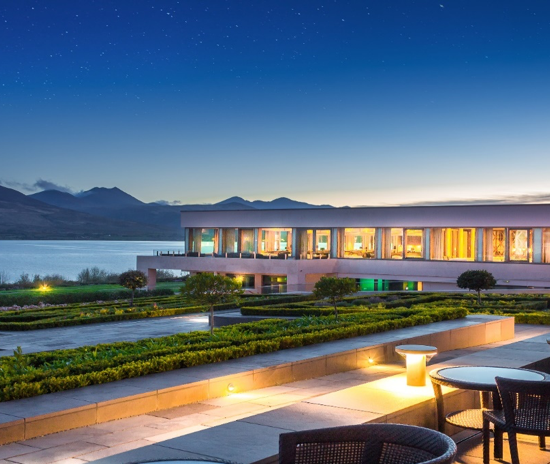
How can a hotel emerge stronger from the COVID-19 Crisis? In her study “Future Hotel – The Smart Resilient Hotel” (original available in German + English) Prof. Dr. Vanessa Borkmann, head of research at the Fraunhofer Institute for Industrial Engineering (IAO), points out fields of action and possibilities. One result: Digitalization promotes resilience in hotels.
On 7 and 8 October Next Tourism Generation alliance partner Cardiff Met University attended VAC2020, (#vac2020), a 2 day virtual conference, to gain a better understanding of the concerns of the UK Visitor Attractions sector in 2020.
In the tourism industry digital skills are becoming increasingly important as the workplace develops. Therefore, being fluent in these digital tourism skills is more in demand than ever and employers are now constantly on the lookout for employees with them. This digital demand can be seen in the industry, which is why digital workers are becoming increasingly valuable, and employers are pushing for more skills in the industry.
As employees are continually encouraged to work at home during the corona virus pandemic many are taking this opportunity to upskill and develop themselves further. One way this can be done is by developing your soft skills as these are more in demand than ever as the working world drastically changes in front of our eyes. Soft skills are key to ensuring that you thrive in your current role at work as well as helping you to achieve your career dreams. All of the skills listed below are crucial in any role within the tourism industry.
In 2020 an increasing demand for digital workers has been noted, with industries relying on employees to work from home to stop the spread of COVID-19. The tourism industry has been no different, relying on employees being digitally present, showing how working digitally has become invaluable this year.
Globally the WHO estimates that 15% of the population has some kind of need for accessibility assistance. For these people, accessible space is essential to be able to carry out daily activities including their leisure time. Also, many people have some temporary difficulty such as pregnant women, recovering from an accident, children, etc. The progressive ageing of the population associated with a longer life expectancy in developed countries also is causing an increase in the number of people with reduced mobility.READ MORE
What stands out during the Covid-19 health crisis is the importance of skilling employees effectively and with purpose. It underpins many emerging business recovery plans and is crucial to creating a more resilient and agile tourism industry, better positioned to cope with the unexpected. Skilling a workforce, whether furloughed or active, has supported both business and employees because looking after its people will be rewarded by customer loyalty and will attract the best and brightest future talent.READ MORE
It has been over three months since Covid-19 hit Europe and forced many countries to lock themselves down: large groups were not allowed anymore, #stayhome became the new normal and public transport and the streets have never been so empty. The tourism industry has been affected by many natural disasters, as well as political and economic turmoil, but when the whole world locked down due to the Coronavirus, many challenges were faced by European destinations. READ MORE