
-1
archive,category,category-green-skills,category-317,wp-theme-stockholm,wp-child-theme-stockholm-child,stockholm-core-2.4,tribe-no-js,select-child-theme-ver-1.1.2,select-theme-ver-9.14.4,ajax_fade,page_not_loaded,,qode_menu_,wpb-js-composer js-comp-ver-8.7.2,vc_responsive

Emerging job profiles: preparing tourism for the future 

Tourism and hospitality are going through major changes. Digitalisation, sustainability goals and unexpected crises are reshaping how organisations operate and what skills they need. To respond to these challenges, the PANTOUR project proposes 11 new job profiles that reflect how roles in tourism are already evolving and what competences will be essential in the future. Within this work, VIMOSZ contributed to shaping profiles that are both realistic and applicable for the sector. 
READ MORE

Bridging the skills gap in European tourism: The PANTOUR training programmes journey

What does it take to build a future-proof tourism workforce? PANTOUR has spent four years finding out and the answer is a flexible, research-driven training system designed to grow with the industry. As the global travel landscape evolves, the European tourism industry is at a critical crossroads. To remain competitive, the sector must combine strong destination appeal with digital innovation and ecological responsibility. To support this shift, the PANTOUR consortium has developed a comprehensive set of training programmes that are practical, modular, and built on real industry data. READ MORE

Webinar Recap: Key insights on Sector Intelligence and Tourism & Hospitality skills that matter

The future of tourism is not waiting and neither are the skills it demands. Across Europe, the sector is navigating a complex mix of digital acceleration, sustainability pressures, and shifting workforce dynamics. The challenge? Moving from intuition to insight, and from insight to action. In this webinar, leading voices from academia and industry unpacked what that really means in practice. From skills intelligence systems to on-the-ground hospitality experiences, each session offered a different lens on one shared question: are we building a workforce that’s ready for what’s next?

READ MORE

Piloting of the Sustainable Resources Management programme at Technological University Dublin

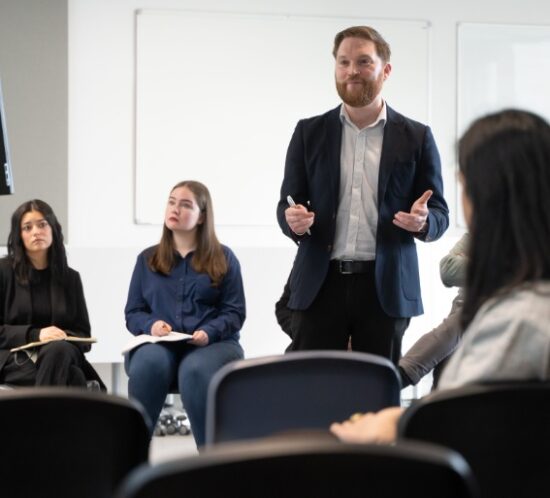
The Sustainable Resources Management programme, created under the PANTOUR research project, was piloted at Technological University Dublin on November 13th. The one-hour session took place at Ballymaguire Restaurant in the Central Quad campus, as part of the induction for 1st year students in the Bakery programme of the School of Culinary Arts and Food Technology. With a total of 28 student participants, the workshop was led by lecturers Sheona Foley and Shannon Dickson with the participation of the researchers Fernanda Rabelo and Fernanda Vergara, and support from the project investigator in Ireland and Head of School of Culinary Arts and Food Technology, Denise O’Leary.READ MORE

Best Practices for fostering social inclusion: strengthening communities through participative empowerment and promoting inclusive opportunities

Tourism and hospitality industries have been historically associated with driving local development and growth in European destinations, from the development of a diverse range of tourism activities in destinations such as commerce, tours, food and family-owned accommodation, to large-scale hotels and cruise ship employment. However, tourism development and its impact on local communities has been a topic of relevant debate in recent years. With ongoing discussion about the long-term viability of tourism activities in destinations, and its impacts on its residents, it is crucial to acknowledge how increased concerns from local communities is driving a shift towards more sustainable and responsible tourism practices. Understanding who is involved in decision-making when it comes to tourism planning, what are the benefits and shortcomings of developing tourism activities for local communities, and how tourism can positively impact communities, gives us insights on how to move towards adopting a more sustainable approach to tourism and community development.

READ MORE

Best practice in skills development: The Fladgate Partnership in Portugal – The World of Wine

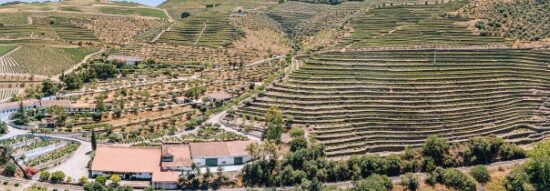
The Fladgate Partnership | The World of Wine – “A cultural district with a WOW factor” (Subsector – Food & Beverage). The Fladgate Partnership is a holding company that has businesses in Port Wine, tourism and distribution. In Portugal, it also has distribution companies that supply its products and those of others to hotels, restaurants, retailers and consumers. The World of Wine project is a major initiative in tourism, located in the historic area of Vila Nova de Gaia with a complex of seven museums/experiences, 14 food and beverage outlets (Restaurants, Bars and Cafés), a wine school and shops. In September 2023, Fladgate Still & Sparkling Wines was created, after the purchase of IdealDrinks by The Fladgate Partnership adding further expertise, knowledge and over three centuries of heritage through this new challenge. The Group currently has around 1,150 employees, spread across different facilities in Vila Nova de Gaia, Porto, Lisbon and the Douro. It is the Group’s policy to respect the environment.

READ MORE

Advancing sustainable vocational training in Europe trough Pantour

As active members of the PANTOUR project, Gestlabor had the opportunity to participate in the Peer Learning Activity (PLA) “European Vocational Core Profiles – Towards a Sustainable Model of Joint Vocational Content” organised by the European Commission on 21-22 May 2024. This online event brought together experts and stakeholders in vocational education and training (VET) to discuss innovative approaches and challenges in the development of joint training content across Europe.

READ MORE

Finland’s Leadership in Green Skills Development: Pioneering Sustainability in the Tourism Industry

Finland has a reputation as a leader in environmental policy and sustainable development. The country is highly committed to global Sustainable Development Goals (SDGs) and has been ranked number one in an international comparison of sustainable development in 2021. It has also established itself as a trailblazer in promoting sustainability and green skills development within the tourism industry. With a commitment to preserving its clean nature and minimising environmental impact, Finland has implemented innovative strategies and initiatives that set a global benchmark.

READ MORE

Innovating and renewing Skills Intelligence | Recap 1st Pantour webinar

Fast developments in society and the tourism sector led to a new landscape for companies and workers in the industry. Also, due to the pandemic, many jobs in the sector have changed rapidly and new ones have emerged. At the start of the PANTOUR project, a thorough secondary data analysis has been done on current and future skills needs for the tourism industry. Existing data have been analysed, on global and European industry reports, EU policy documents, consultancy papers, and academic research. This has rendered a broad understanding of the status of skills in the tourism industry and what is needed for the future. In this blog, we will share some first insights from these analyses.

READ MORE