

EDI as a key factor for building the future of tourism: Takeaways from the national Pantour Conference in Portugal
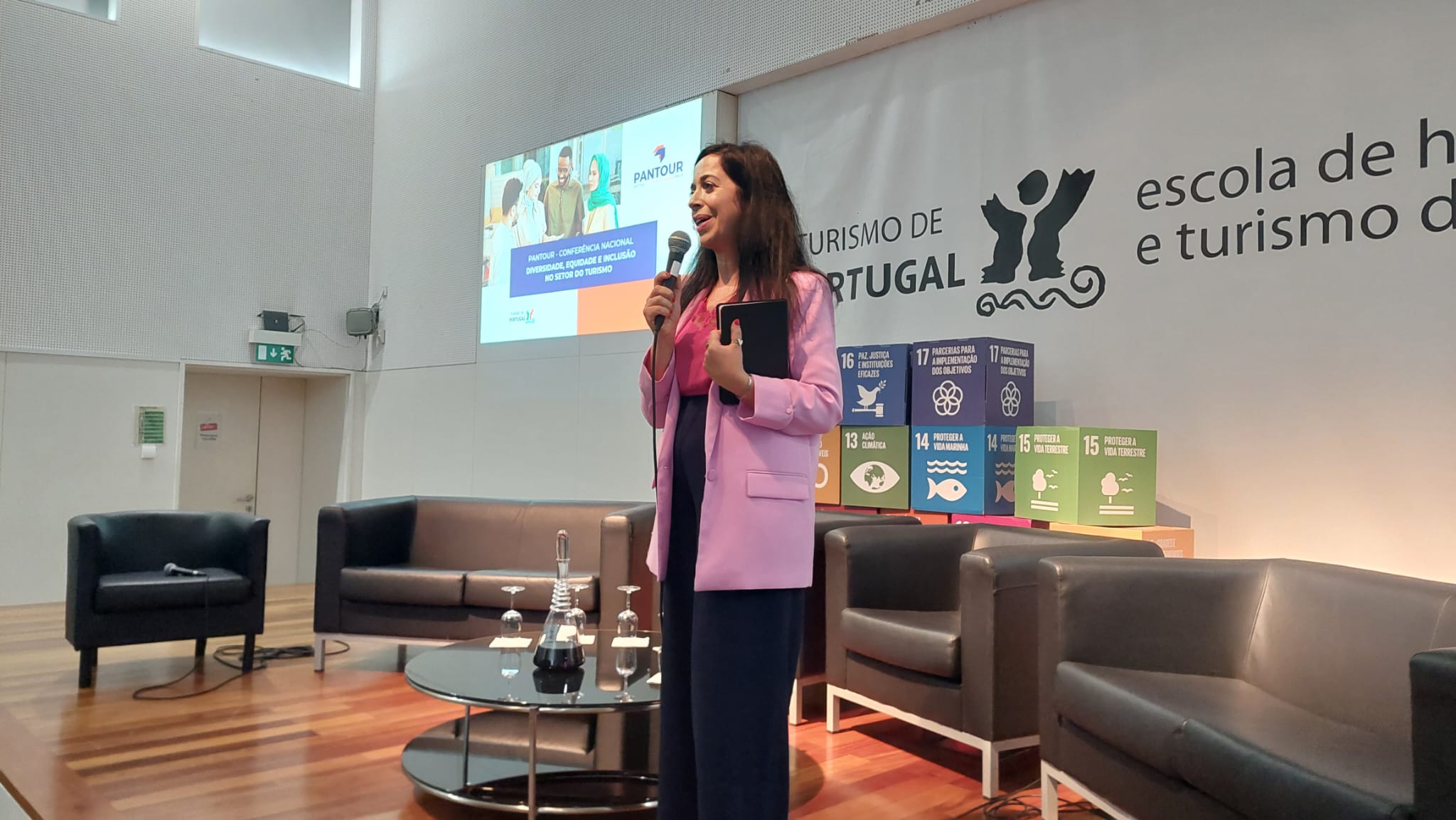
On 16 October 2025, the Porto School of Hospitality and Tourism hosted the National PANTOUR Conference 2025, an event that brought together professionals, educators, policymakers and students to explore one of the most transformative priorities for the sector’s future: Equality, Diversity, and Inclusion (EDI). Guided by the theme “Equality, Diversity and Inclusion in the Tourism Sector” the conference created a dynamic forum for dialogue, knowledge exchange, and collective action. Participants reflected on the role of EDI in strengthening the resilience, innovation capacity and social responsibility of tourism and hospitality organizations. The highlight of the event was the presentation of the Equality, Diversity and Inclusivity (EDI) Handbook of Best Practices, developed within the European project PANTOUR – Pact for Next Tourism Generation Skills. This handbook offers practical tools, a structured change-management methodology, and 31 real case studies from European tourism and hospitality organizations, providing SMEs with a concrete, implementable roadmap for strengthening inclusion in their workforce and operations.
The highlight of the event was the presentation of the Equality, Diversity and Inclusivity (EDI) Handbook of Best Practices, developed within the European project PANTOUR – Pact for Next Tourism Generation Skills. This handbook offers practical tools, a structured change-management methodology, and 31 real case studies from European tourism and hospitality organizations, providing SMEs with a concrete, implementable roadmap for strengthening inclusion in their workforce and operations.
The EDI Handbook: from vision to practical implementation
The EDI Handbook presented at the event provides organizations with:
- A step-by-step methodology for designing and implementing EDI strategies
- Tools such as self-audit questionnaires, KPI frameworks and diversity roadmaps
- Guidelines for change management tailored to tourism SMEs
- A rich catalogue of free European toolkits to support inclusion efforts
- Case studies demonstrating the impact of EDI on innovation, retention, employee well-being and guest experience
The message is clear: EDI is not abstract, it is measurable, actionable and essential to improving workforce sustainability across the sector.
EDI in Portugal: Key signals from the PANTOUR research
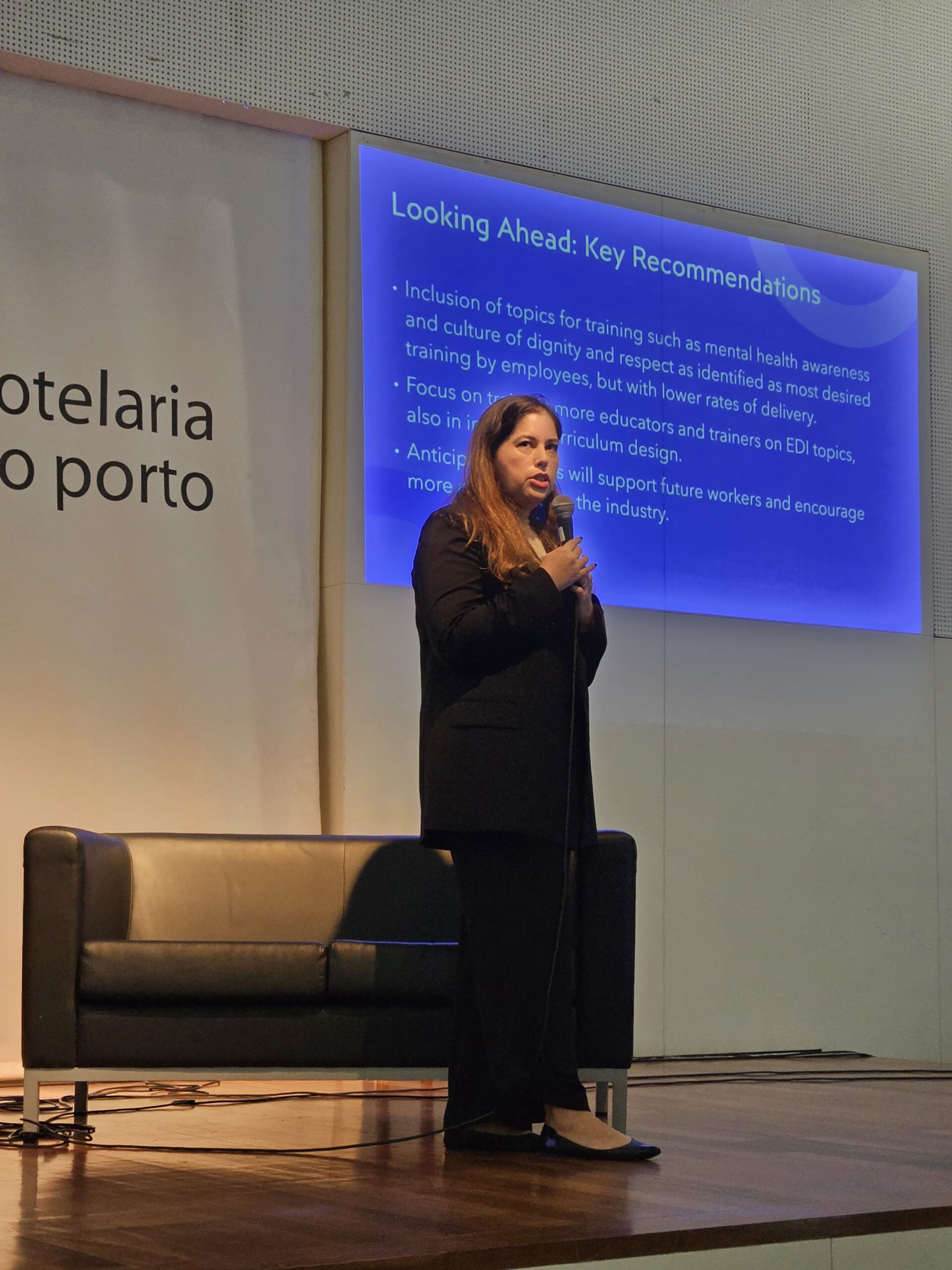
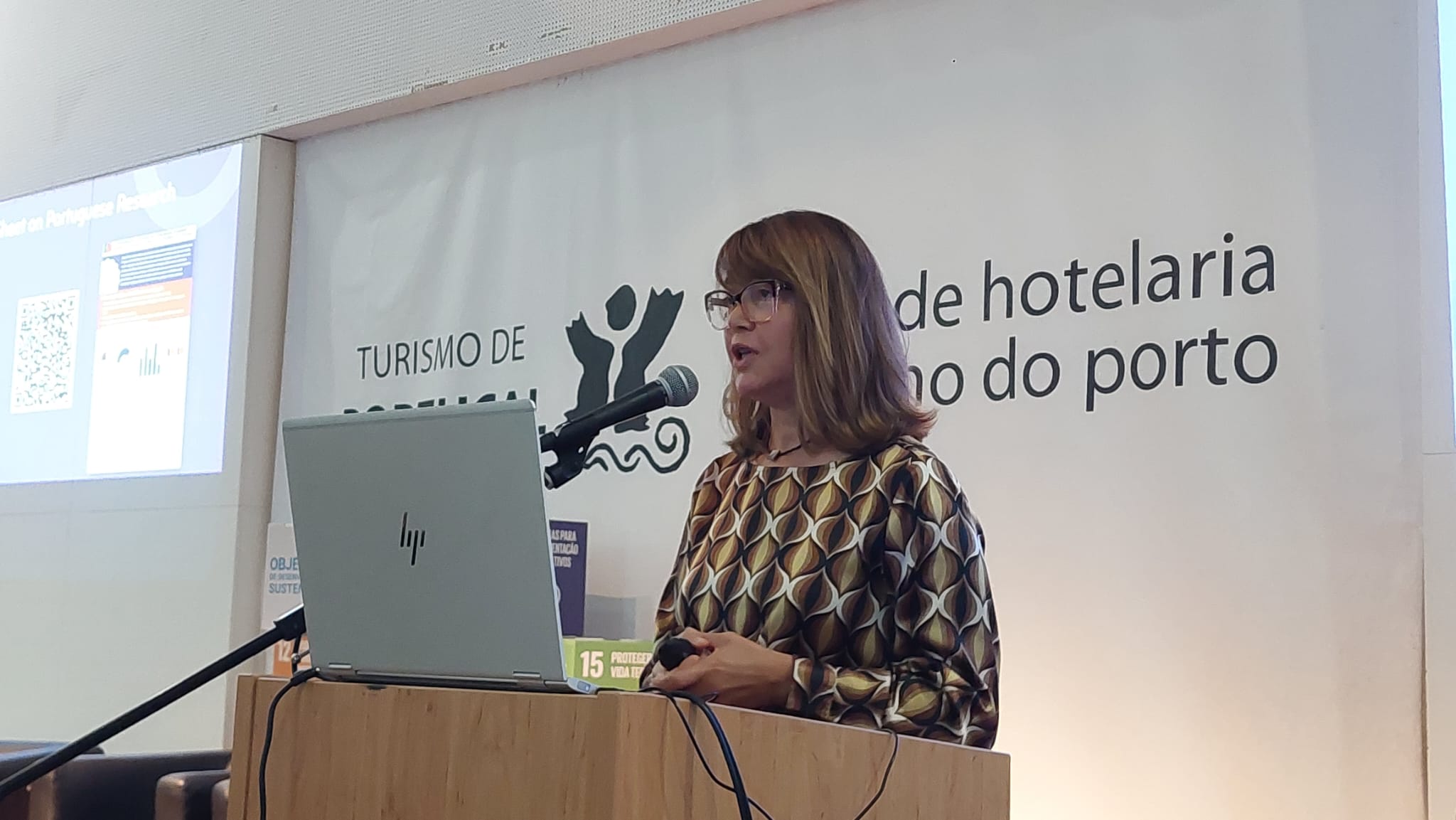
The conference also highlighted a selection of insights from the Portuguese research conducted under PANTOUR, offering a snapshot of how the sector perceives and practices EDI today. The findings show that while many organisations already provide training in areas such as conflict management and accessibility, important topics like neurodiversity, LGBTIQ+ inclusion and EDI in recruitment remain less common. Employees expressed strong interest in training that promotes well-being, particularly mental health awareness, dignity at work and inclusive team dynamics, reinforcing the need for workplaces where people feel respected, safe and supported. The research also indicates that employees largely feel valued and included in their teams, though opportunities for diverse career progression still need strengthening. Also, education and training institutions see themselves as key drivers of this change, advocating for more inclusive curricula and better-prepared trainers. Overall, these insights supported the conference discussions and underlined the importance of continued investment in EDI as a foundation for a resilient, competitive and people-centered tourism sector.
Portuguese best practices highlighted during the event
Portugal’s contribution to the European collection of best practices was emphasized during the conference, showcasing inspiring initiatives already underway in the country. The three Portuguese examples featured in the PANTOUR research illustrate the sector’s commitment to inclusion and equity:
- Intercontinental Lisboa
Recognised for initiatives in inclusive employment and staff development, the hotel has implemented structured EDI practices: demonstrating how large hospitality groups can embed diversity into organisational culture. Read more about this best practice here.
- Portugália Restauração
The company has been identified as a national best practice for promoting equitable working conditions, inclusive hiring pathways and diversity-sensitive management approaches.Read more about this best practice here.
- Associação Pão-a-Pão
Through its Mezze Escola training program, Pão a Pão equips refugees and migrants with culinary and hospitality skills while supporting cultural integration, mental well-being, and employability. This initiative is widely recognized as a model for social inclusion through gastronomy. Read more about this best practice here.
Shaping the Future: Contributions from Portuguese initiatives
The conference also welcomed important national programs and research initiatives working at the intersection of tourism, migration and inclusion:
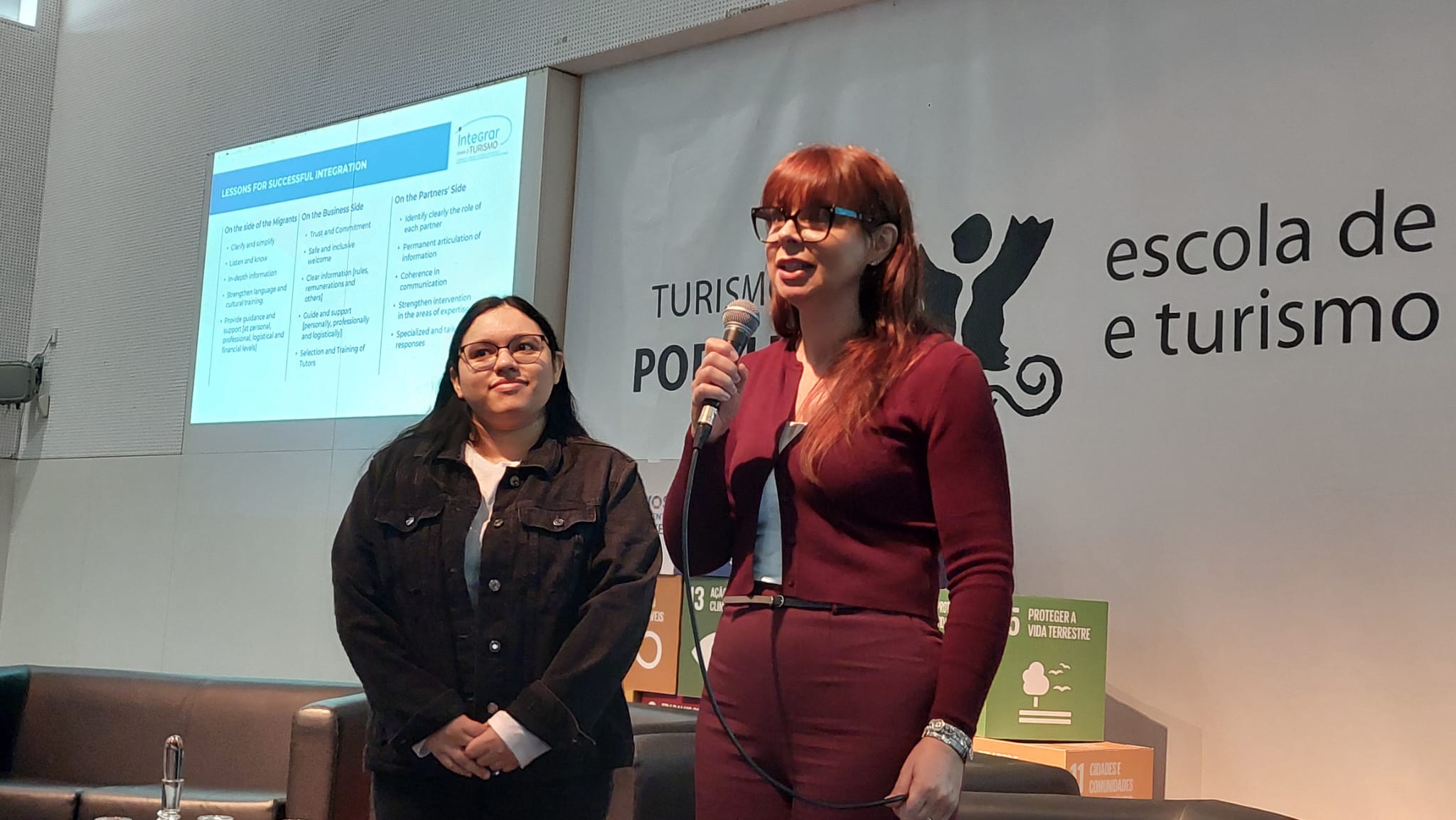
Integrate for Tourism Program – Turismo de Portugal
A pioneering program dedicated to strengthening the integration of migrants into the tourism workforce, supporting both inclusion and talent development through structured pathways, developed by Turismo de Portugal
Observatory for Migratory Talent in Tourism – Porto Business School
The Observatory shared insights on migration flows, skill dynamics and inclusion challenges affecting migrant workers in tourism, contributing essential evidence to inform policy and training responses. Their participation reinforced one of the event’s core conclusions: that collaborative, cross-sectoral action is crucial to build a more inclusive tourism future.
A collective commitment to an inclusive tourism landscape
The National PANTOUR Conference 2025 underscored that the path toward a more inclusive tourism sector is already in motion, but must be strengthened through sustained effort, shared learning and intentional investment. As the PANTOUR team emphasized in their message to participants, the journey ahead calls for:
- Removing structural barriers
- Ensuring equitable opportunities
- Promoting diverse talent
- Prioritizing well-being
- Embedding inclusion into strategy and daily practice
With the newly launched EDI Handbook, research findings and concrete examples of excellence, European partners are positioned to drive meaningful, lasting change.
The future of tourism will be more inclusive, more human-centered and more resilient, because the sector is choosing to shape it that way.
No Comments