

Recap and downloads PANTOUR Brussels Conference: From Skills Intelligence to action for Europe’s Tourism Workforce
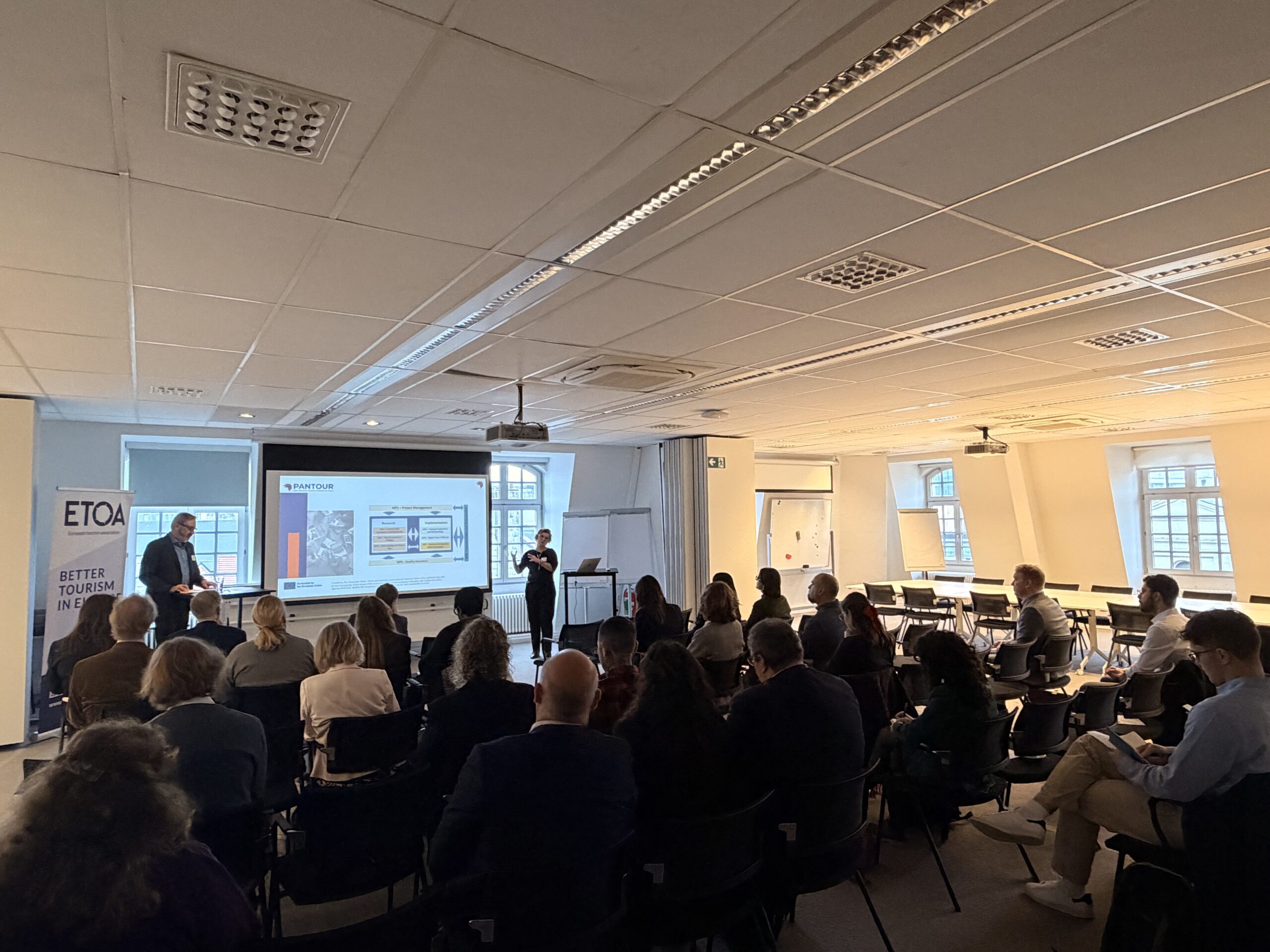
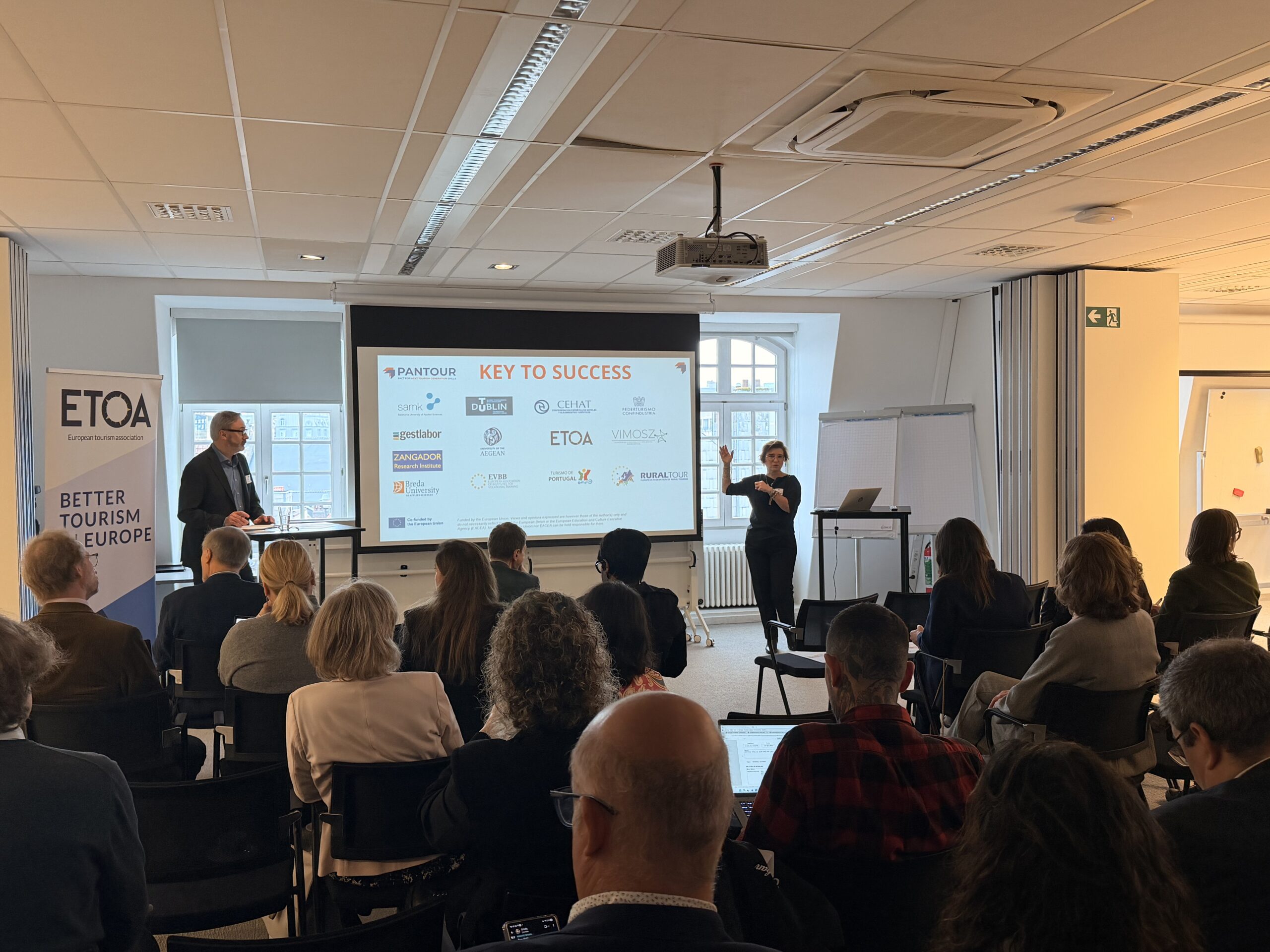
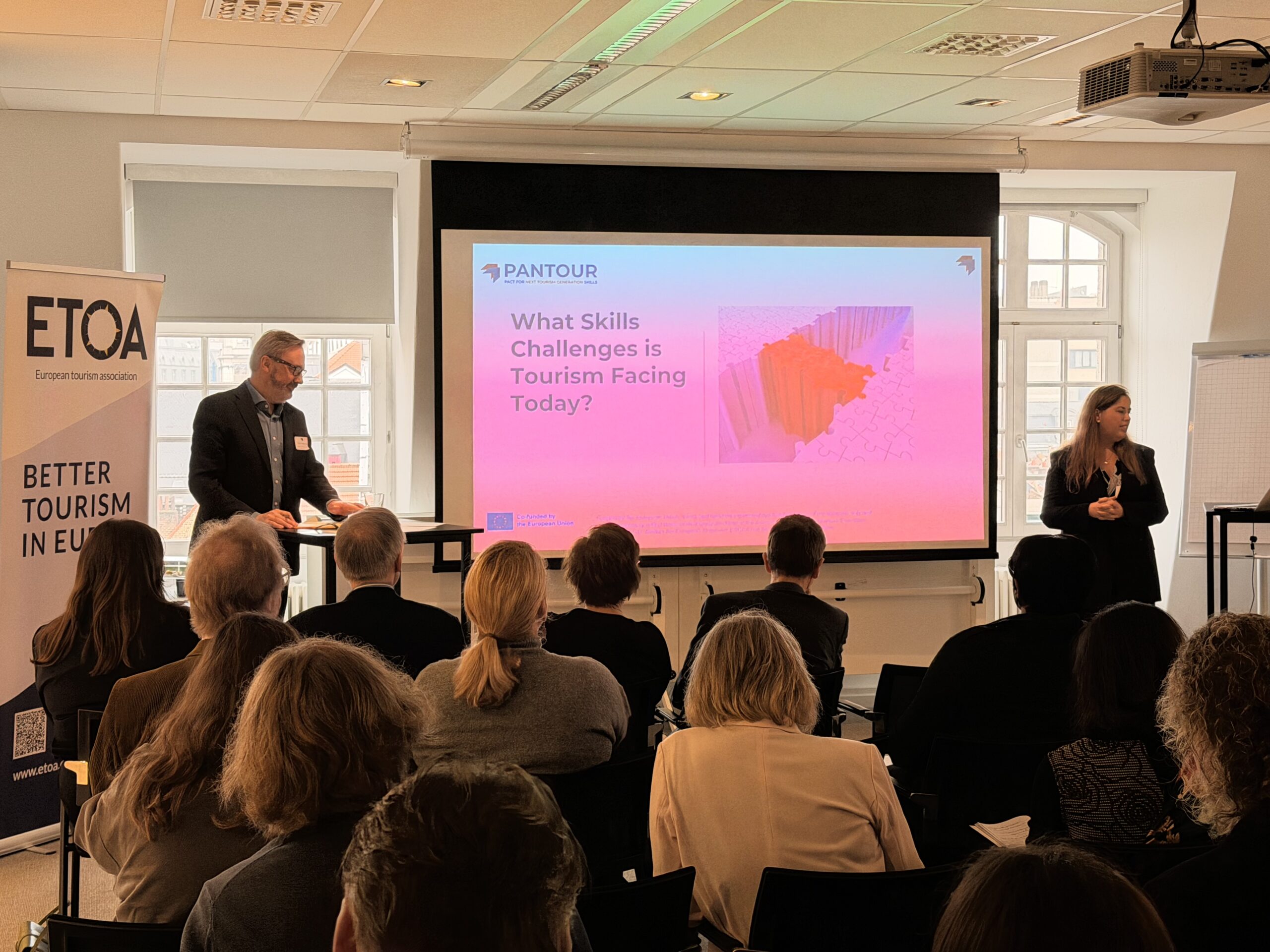
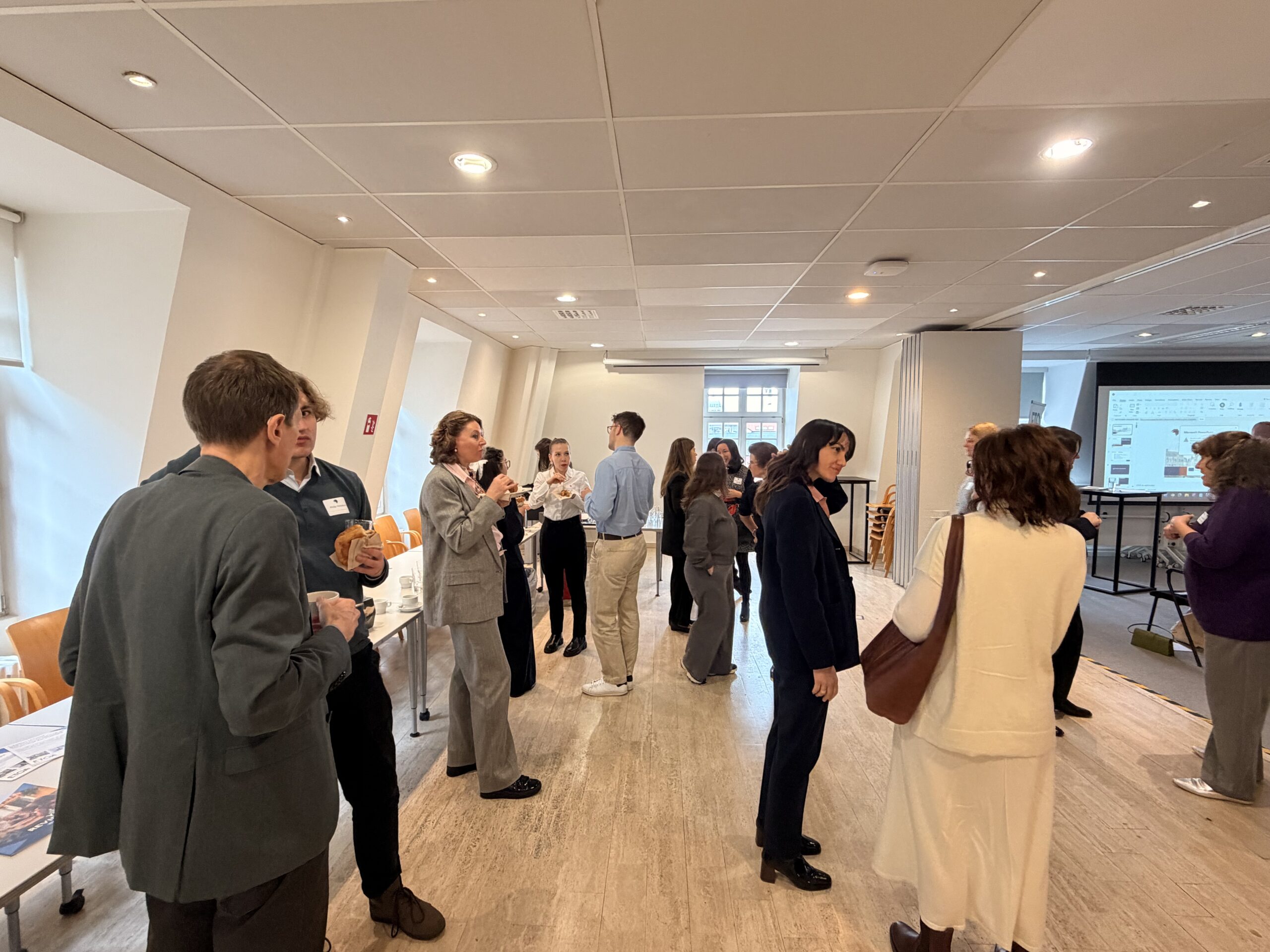
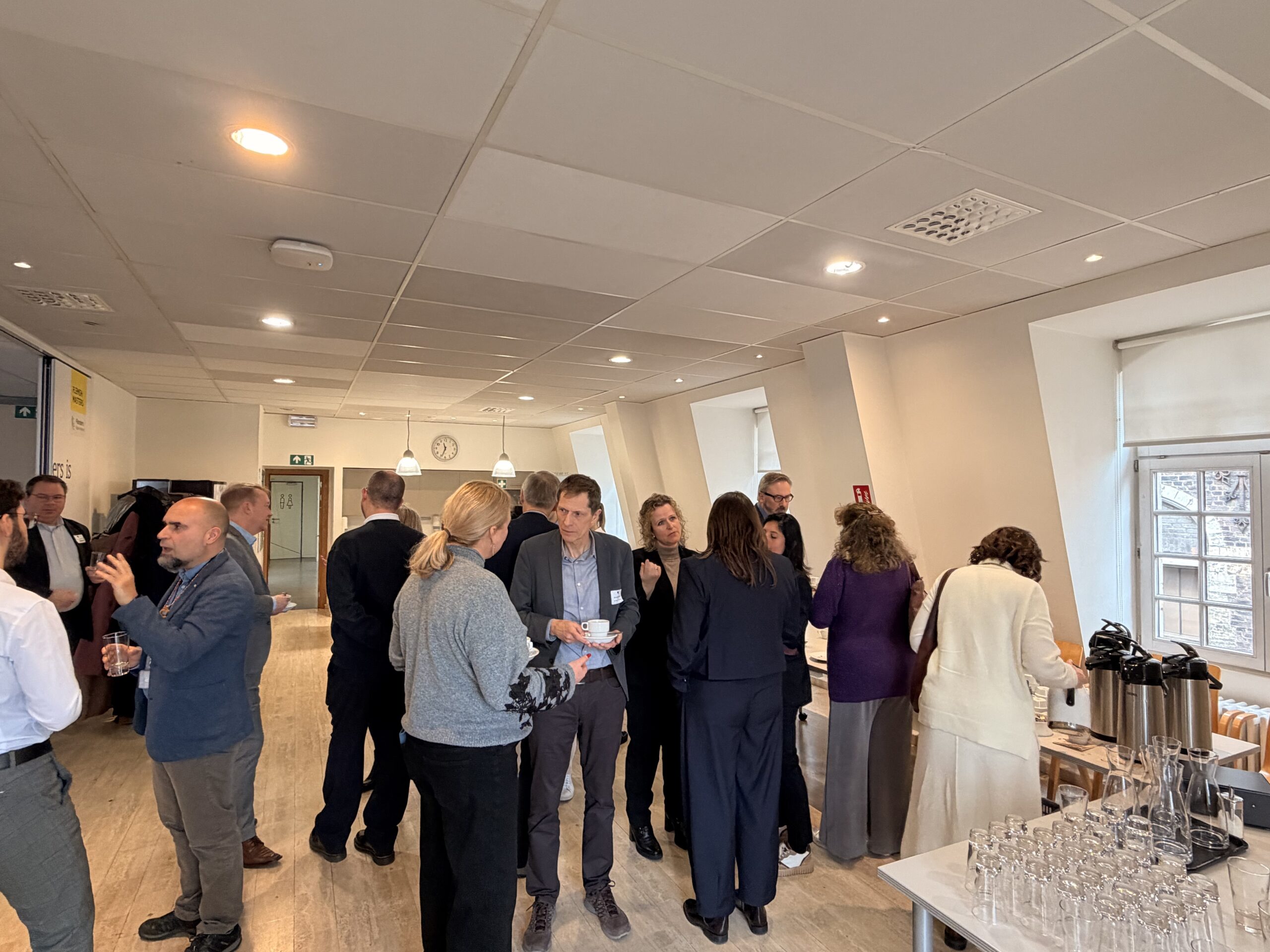
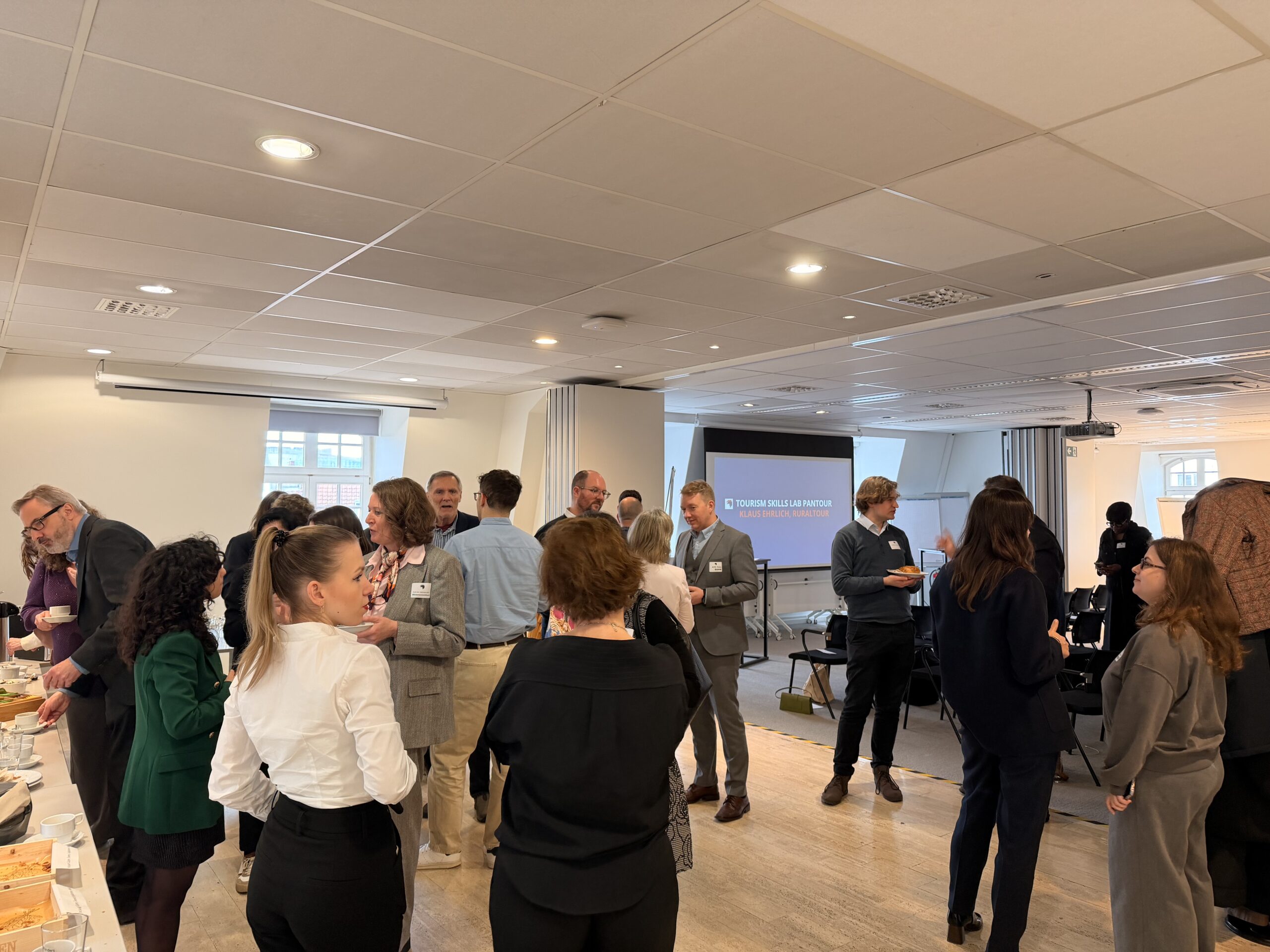
On 24 February 2026, we hosted the final PANTOUR conference at ETOA’s Brussels headquarters, bringing together industry leaders, educators, policy makers and sector associations to reflect on four years of research, innovation and collaboration. The event marked not only the culmination of an EU-funded project, but the presentation of a practical framework to address Europe’s tourism skills needs over the next decade.
Moderated by Tim Fairhurst (ETOA), the conference explored how the tourism ecosystem can move from identifying skills gaps to implementing coordinated, evidence-based solutions that strengthen competitiveness, sustainability and social positive impact.
In this blog you will find the summary with the key take aways from each presentation, and the download section with the full slide deck and photos from the conference.
From NTG to PANTOUR: Building a Living Skills Ecosystem
Ana Maria Camps (CEHAT), opened the session, highlighting that PANTOUR builds on the foundations laid by the Next Tourism Generation (NTG) Alliance. PANTOUR extends this work into a “living ecosystem”, integrating skills intelligence, monitoring tools, updated training programmes and structured partnerships.
The core premise is simple but powerful: people possess abilities; it is the combination and development of skills that enable them to perform a (job) role effectively in todays fluid and fast-changing workplace. Training providers and industry must therefore work in closer alignment, ensuring that education reflects real tasks and evolving business needs.
PANTOUR’s main goal has been to implement the Blueprint for Sectoral Cooperation on Skills in Tourism by boosting innovation, strengthening cooperation and creating new shared resources.
Sectoral Skills Intelligence: Turning Evidence into Action
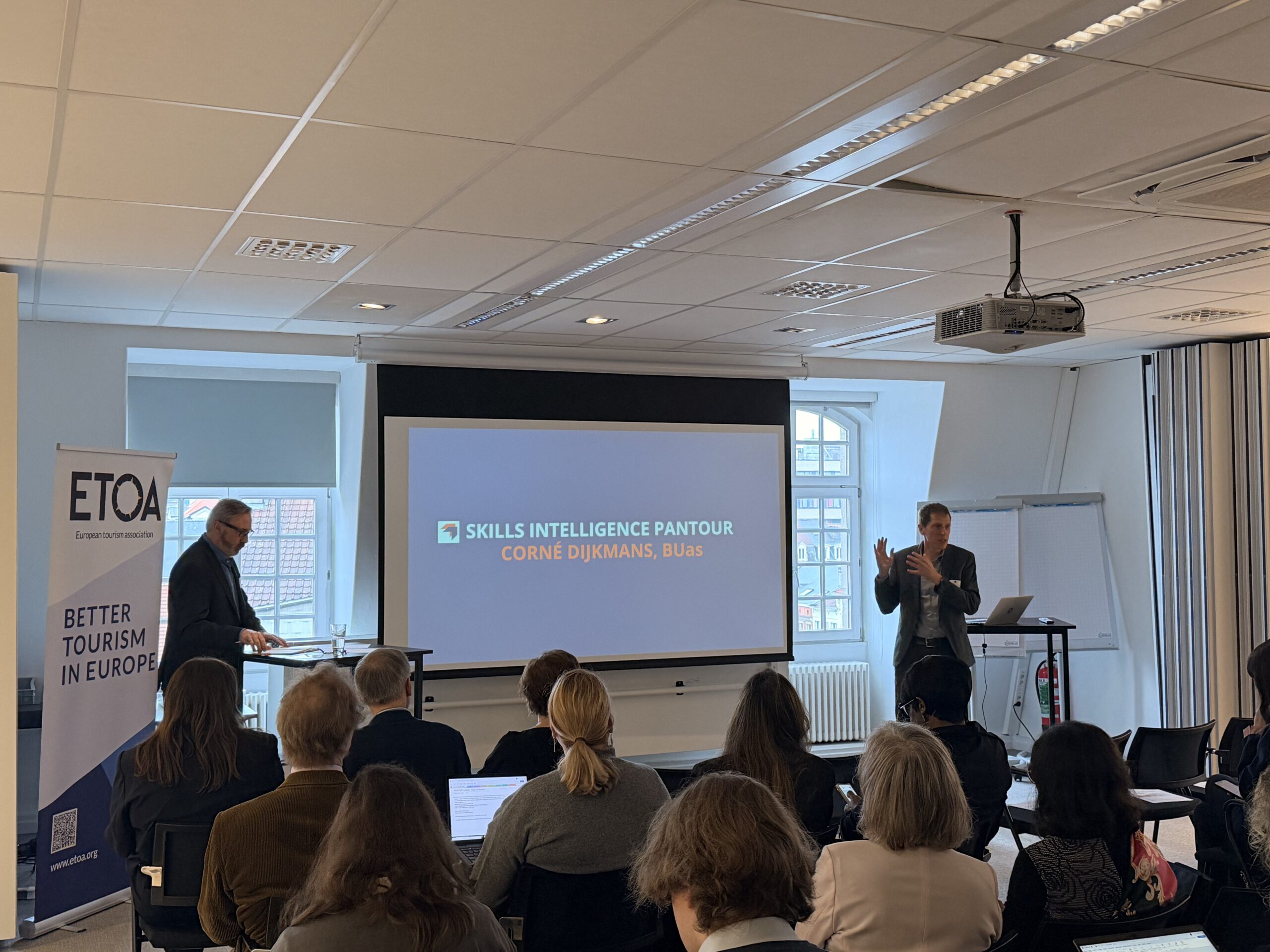
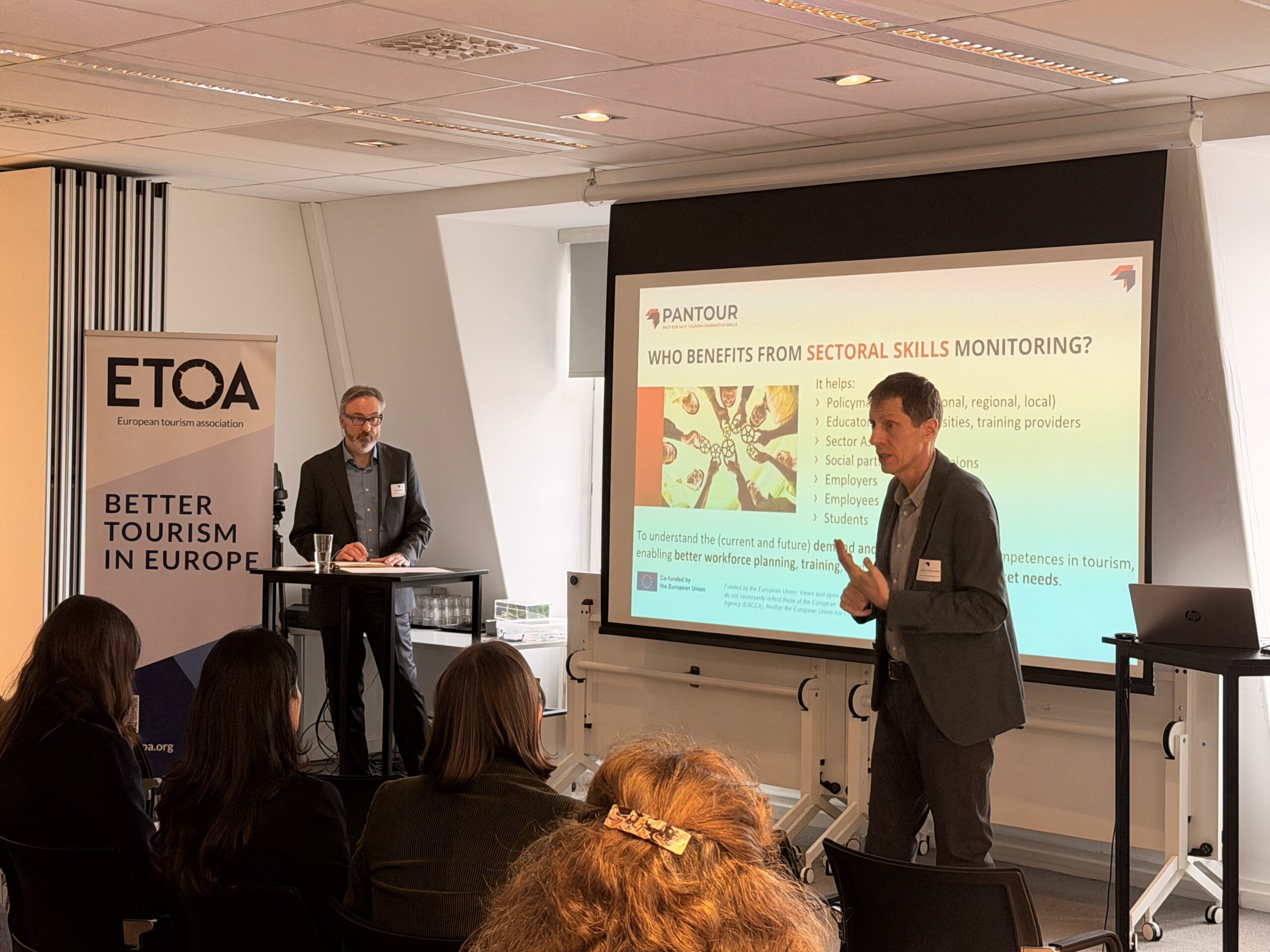
A central pillar of the project is the Sectoral Skills Intelligence Monitor, presented by Corné Dijkmans (Breda University of Applied Sciences). In the context of green and digital transformation, geopolitical shifts, demographic change and continued tourism growth, skills needs are evolving rapidly. Labour shortages, mismatches between supply and demand, and generational expectations add further pressure.
Sectoral skills monitoring is a continuous and systematic collection and analysis of data on current and future skills needs to support better decision-making. The methodology combines secondary data analysis, questionnaires, interviews, best practice analysis and focus groups, resulting in regional and country skills profile reports with response strategies and actions.
Importantly, this is not an academic exercise. Real-world use cases presented during the conference illustrated how skills intelligence can:
 Enable hotel chains, and other tourism organisations from destinations, visitor attractions, F&B, touroperators and travel agencies to redesign onboarding around digital and sustainability competences
Support Vocational Education and Training (VET) providers and Higher Education in updating curricula to reflect data literacy needs
Equip regional tourism boards and other networks to advocate for targeted upskilling funding
Help tour operators identify emerging gaps in language and intercultural skills
The message to policy makers and businesses was clear: evidence must replace anecdote. Robust, shared data underpins effective workforce planning and smarter investment.
A Skills Strategy Aligned with European Policy
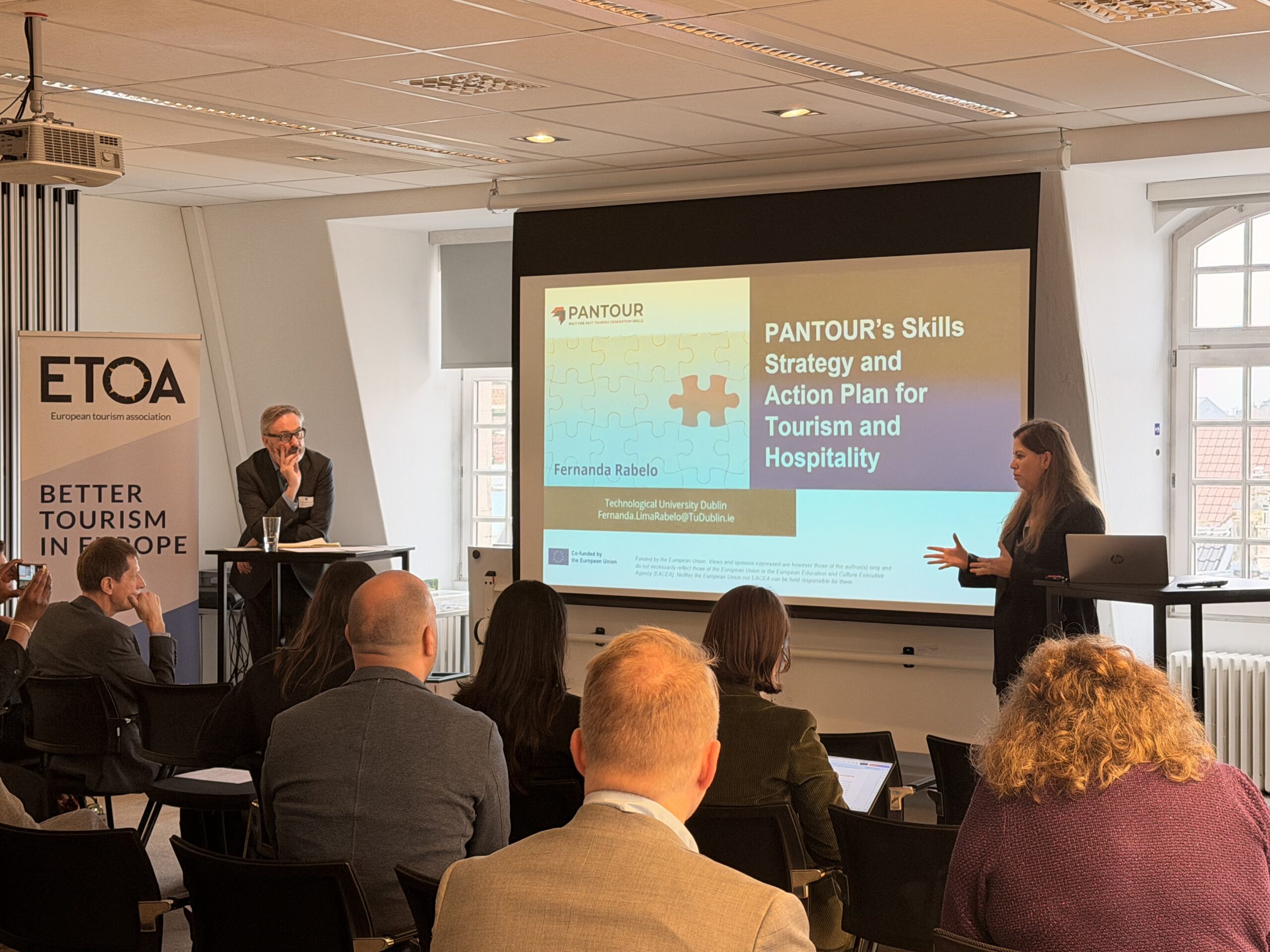
Dr Fernanda Rabelo (Technological University Dublin) presented PANTOUR’s Skills Strategy and Action Plan (estimated to be published in June 2026), grounded in European policy frameworks including the European Green Deal, the European Skills Agenda, the Pact for Skills and the Transition Pathways to Tourism.
Drawing on stakeholder consultations across 12 countries, the strategy identifies persistent retention challenges, particularly in entry-level roles; uneven progress in sustainability implementation; growing interest in lifelong learning but low uptake of formal training; and emerging equity, diversity and inclusion gaps.
The resulting Skills Strategy sets out seven priorities, supported by 45 actions:
- Address workforce gaps and enhance the sector’s attractiveness
- Support digital transformation and advanced technologies
- Drive green innovation and environmental responsibility
- Build resilience and strengthen social competences
- Promote lifelong learning and expand access to education
- Strengthen collaboration and share best practice
- Promote inclusion and combat discrimination
These priorities translate broad policy ambitions into operational actions. For example, under Priority 1, actions include launching talent attraction campaigns, updating skill profiles and implementing structured retention strategies through upskilling and reskilling. Under Priority 5, career guidance tools and accessible progression pathways are emphasised, supported by PANTOUR resources such as the Tourism Skills Lab.
Tourism Skills Lab: A Practical Tool for the Workforce
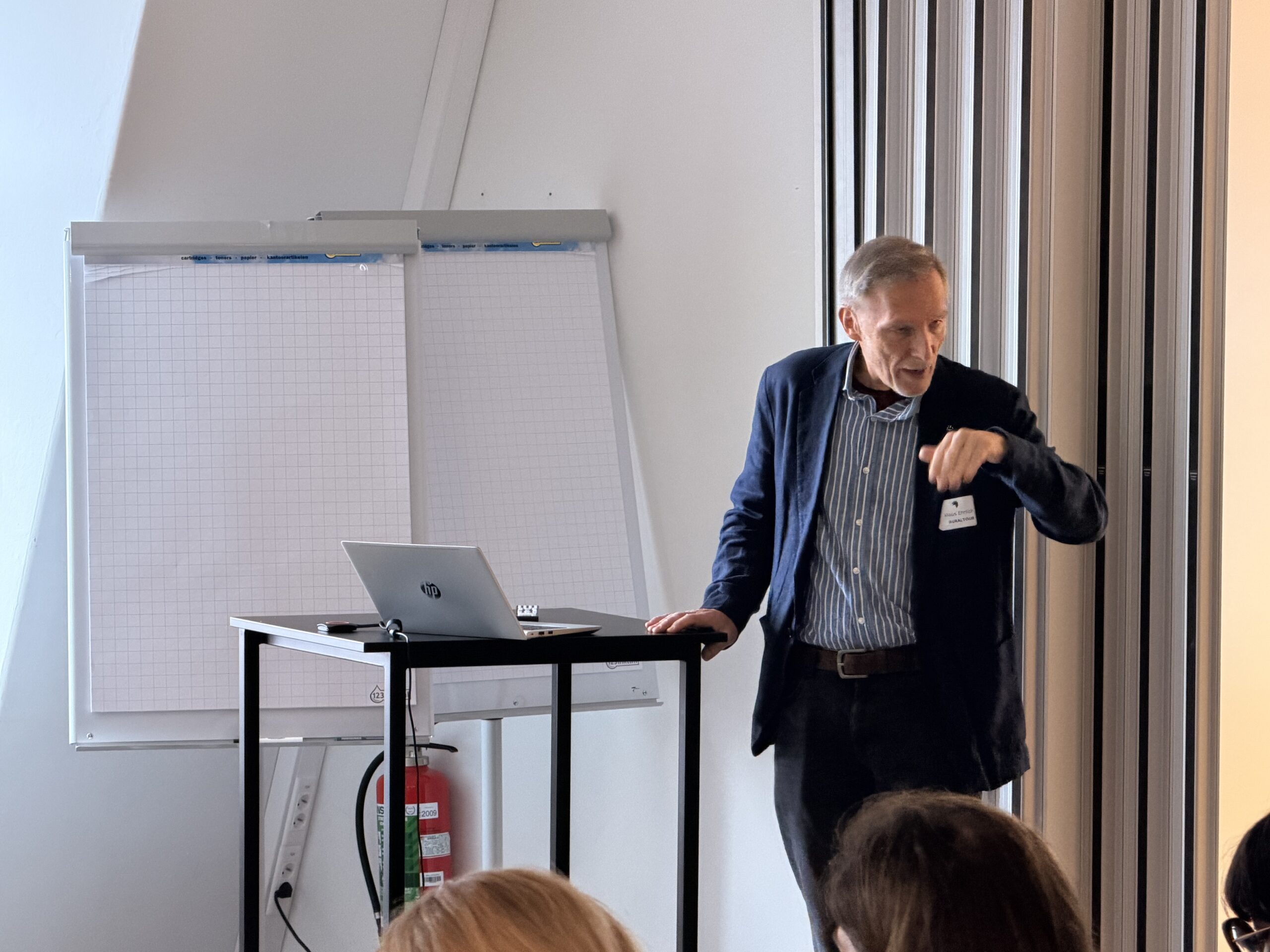
Klaus Ehrlich (RuralTour) introduced the Tourism Skills Lab, a digital platform operationalising the project’s intelligence and strategy. The system incorporates a skills matrix covering 35 digital, green and transversal skills, mapped against EQF (European Qualifications Framework) levels and contextualised by subsector, company size, task area and seniority.
Users – including employees, job seekers, SMEs and training providers – can:
View comprehensive skills profiles
Identify individual or organisational skills gaps
Match profiles to job roles
Access relevant training offers
Connect skills development to recruitment
The platform represents a shift from static reports to dynamic, user-driven tools. As highlighted during discussion, its value will grow with participation and integration into existing systems.
Training Programmes: Grounded in Real Gaps
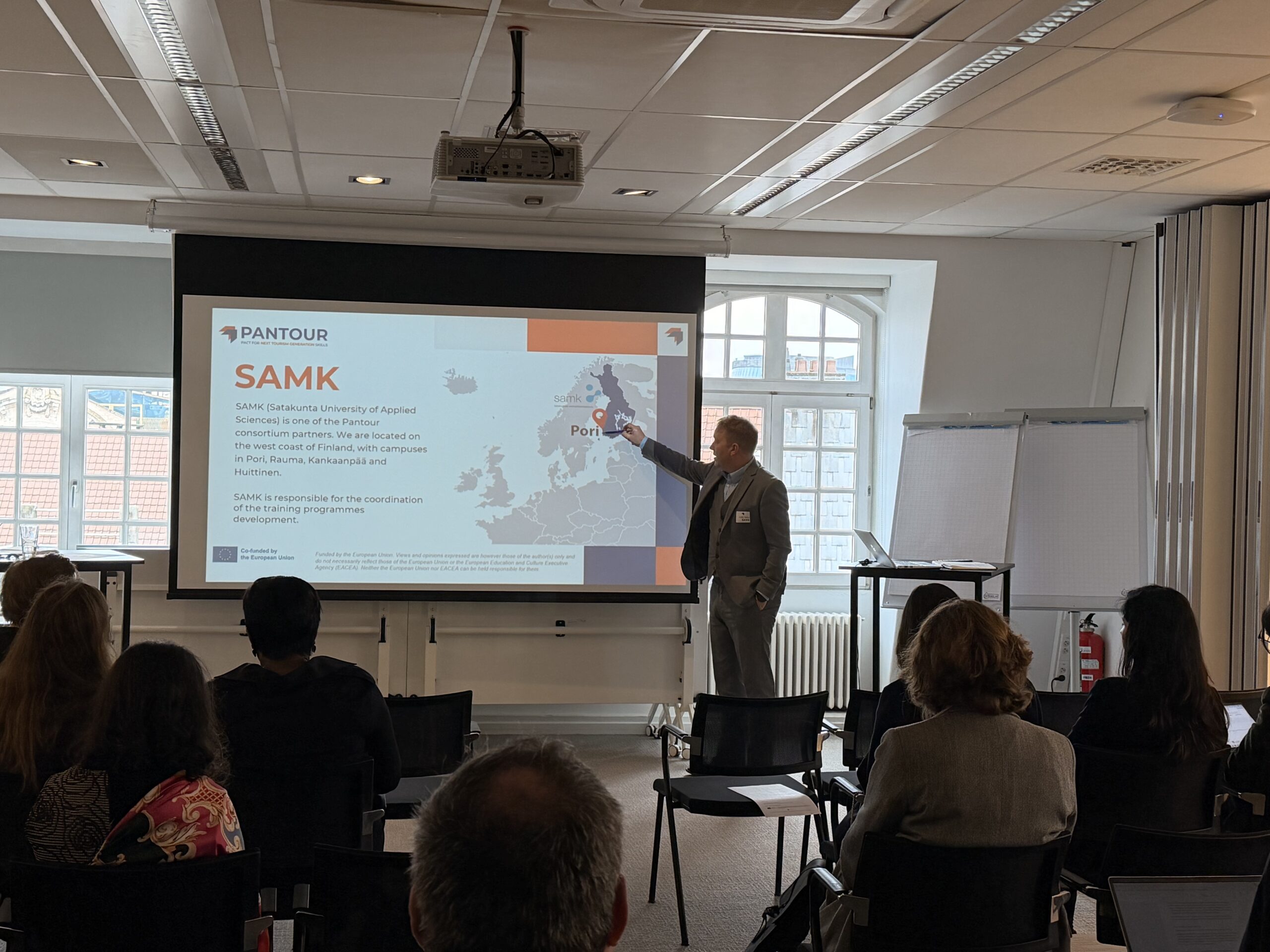
Altti Näsi (SAMK) presented PANTOUR’s updated training programmes (live from May 2026), developed directly from EU-wide skills gap analysis rather than generic curricula. The programmes span digital, green and social competences, from AI and robotics to carbon management, inclusive workplace culture and crisis resilience.
Crucially, the programmes are aligned with the European Qualifications Framework and embedded within the wider skills ecosystem, ensuring coherence across countries and subsectors.
National and Regional Skills Partnerships: From Dialogue to Delivery
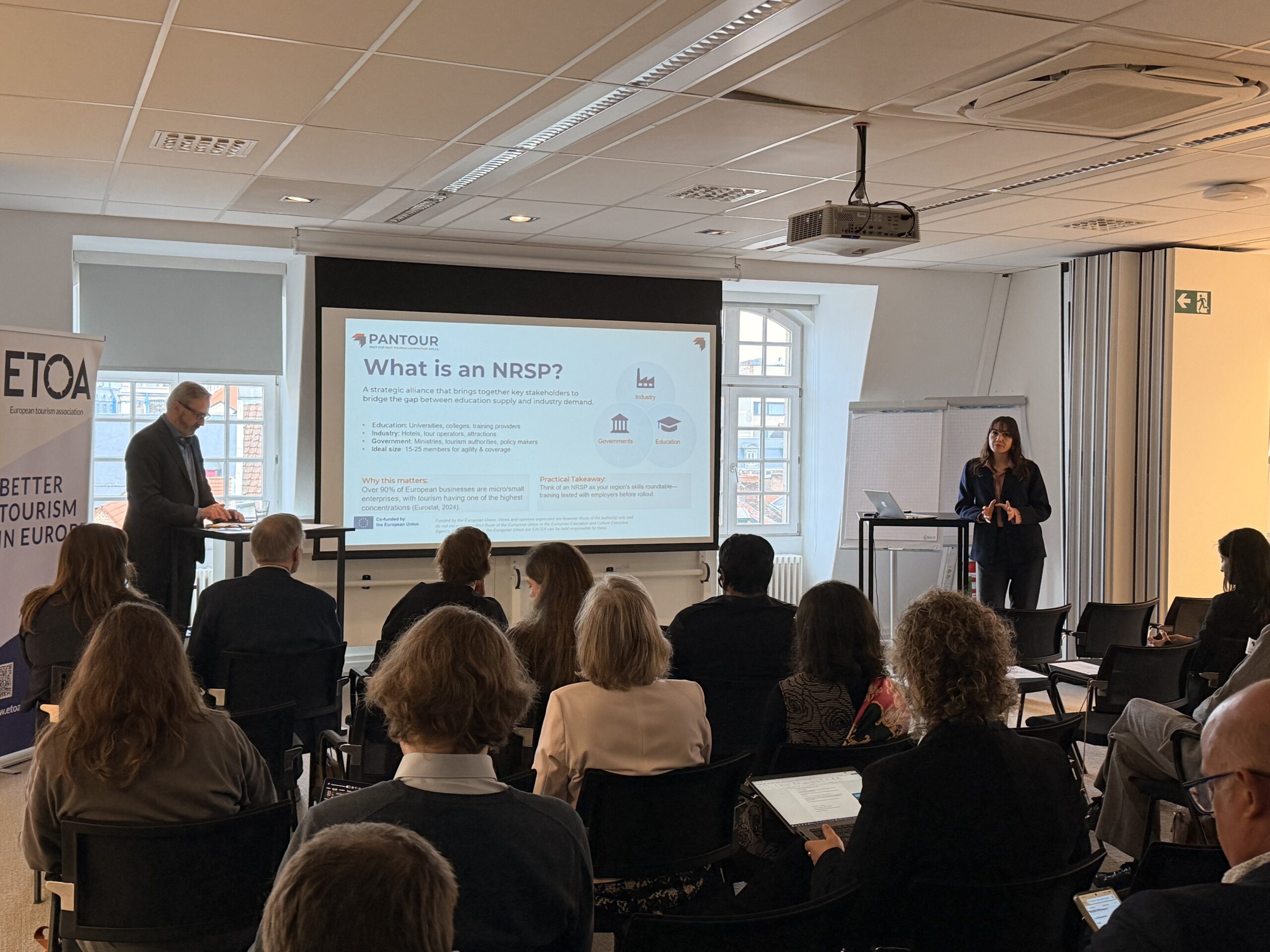
Finally, Silvia Enea (Federturismo Confindustria) addressed National and Regional Skills Partnerships (NRSPs); the strategic alliances linking education, industry and government to bridge supply and demand gaps.
With over 90% of European tourism businesses classified as micro or small enterprises, structured collaboration is essential. Case studies from Portugal, Spain and The Netherlands demonstrate diverse governance models, from institution-led to industry-led and pilot-driven approaches.
NRSPs play four key roles: piloting methodologies, generating skills intelligence, delivering training at scale and influencing policy. However, challenges remain – notably long-term sustainability, government engagement, the risk of becoming “talking groups”, and the gap between analysis and implementation.
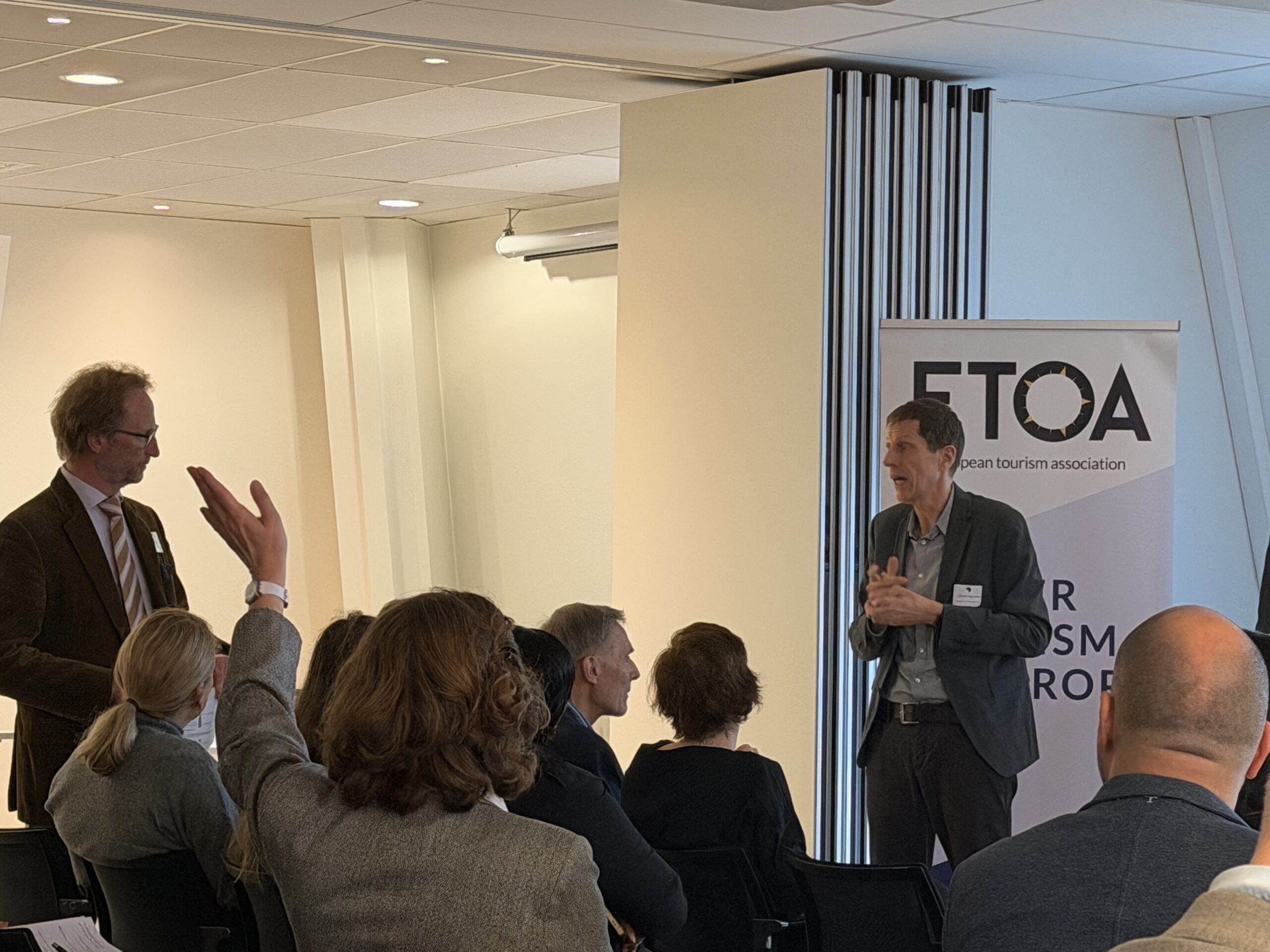
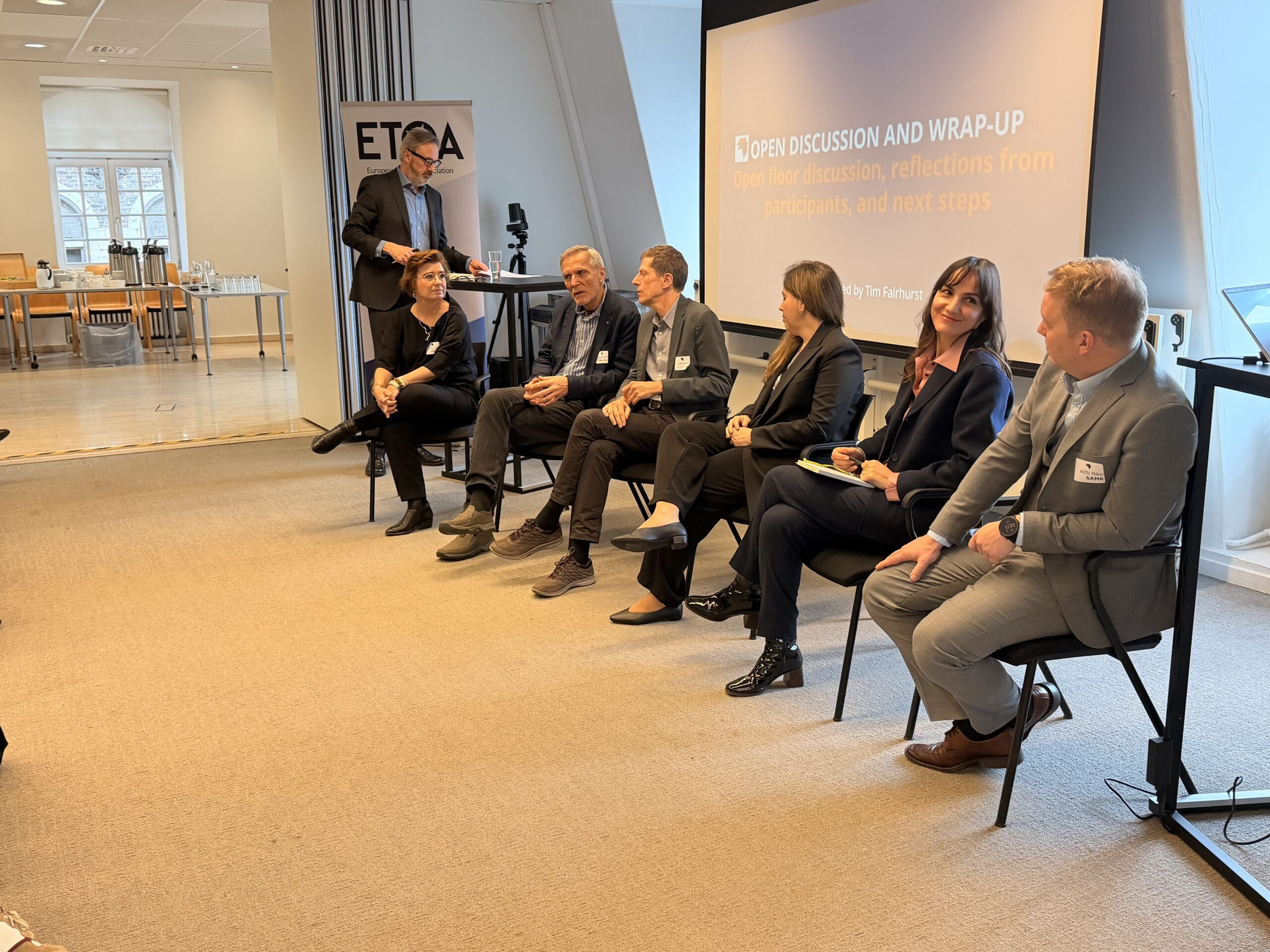
The wider discussion covered the possibility of cross-country NRSPs, for example in regions such as the Balkans that already work in this way.
The lesson is clear: partnerships require dedicated resources, balanced participation and tangible outputs to remain effective.
Key Action Points for the Sector and Institutional Stakeholders
The conference concluded with a call to action for European travel professionals, educators, training providers and policy makers:
Embed skills intelligence findings into national and regional tourism strategies
Support and resource Skills Partnerships to ensure long-term sustainability
Align training provision with real-time labour market data
Invest in retention and career progression, particularly in entry-level roles
Prioritise digital, green and transversal skills as core competences
Promote inclusion and wellbeing as strategic, not peripheral, concerns
Minimise duplication and overlap of funded initiatives and effort
Support EU dissemination and outreach of existing materials and mechanisms
PANTOUR demonstrates that Europe’s tourism skills challenge is not a shortage of initiatives, but a need for coordination, evidence and shared ownership. The tools, frameworks and partnerships are now in place. The next step is implementation at scale.
Conference Downloads
The final slide deck of the Pantour Conference in Brussels, including all presentations and detailed information, can be downloaded here
No Comments