

From Dilemma to Synergy: The Future of Skills in Greek Tourism & Hospitality
On Friday, February 27th, the iTED Research Lab of the Department of Tourism Economics and Management of the University of the Aegean, within the framework of the 2nd INTOCUS INTERNATIONAL CONFERENCE, organized the National PANTOUR Conference 2026, a pivotal event bringing together representatives from the industry, the government, and the academic community. The main goal of the event was to explore the contemporary challenges and future needs regarding skills in the broader tourism ecosystem, with a special focus on the Greek context. This blog includes key insights and conclusions from the Greek National PANTOUR Conference
The PANTOUR Project in a Nutshell – Insights and Findings
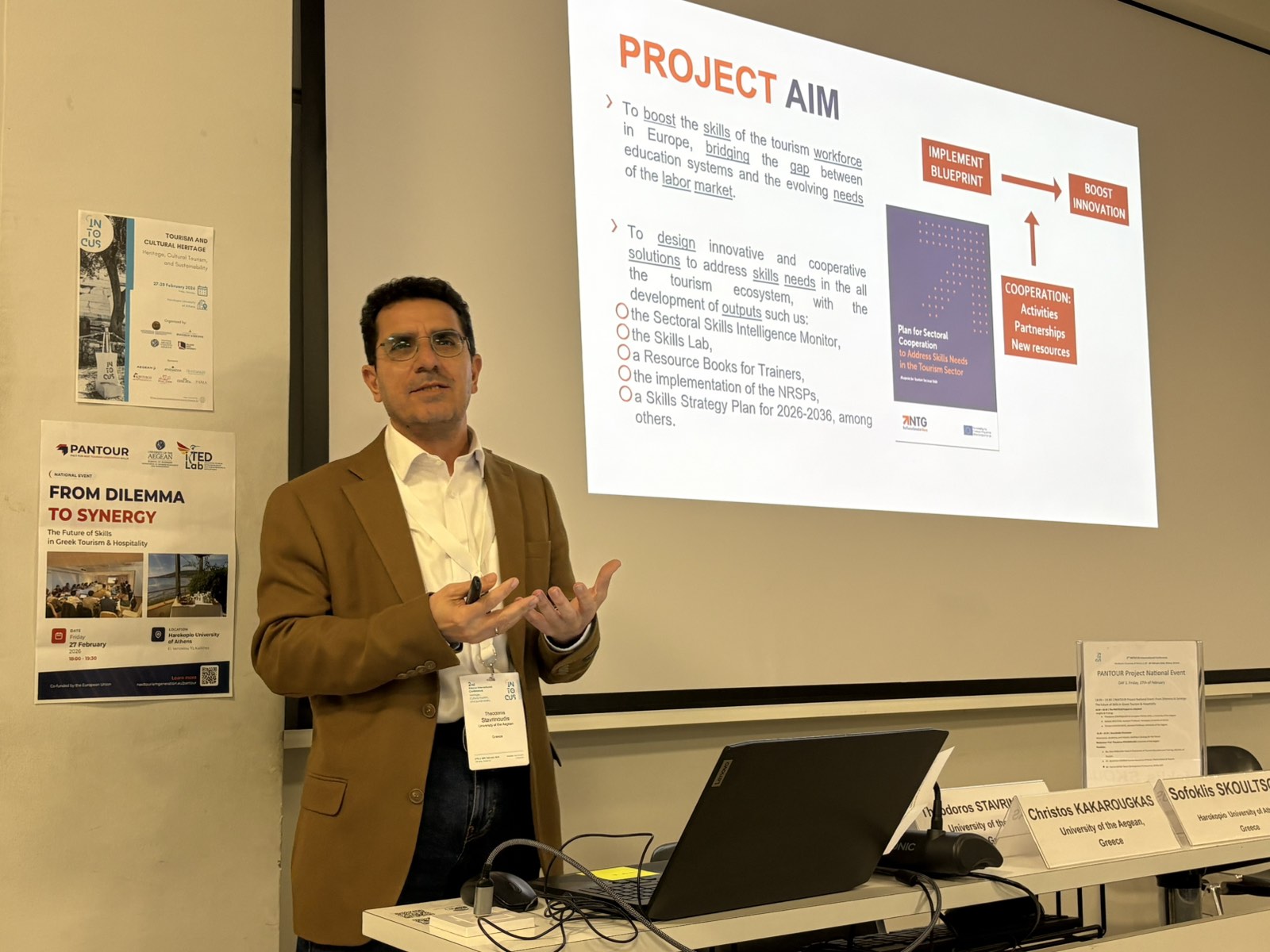
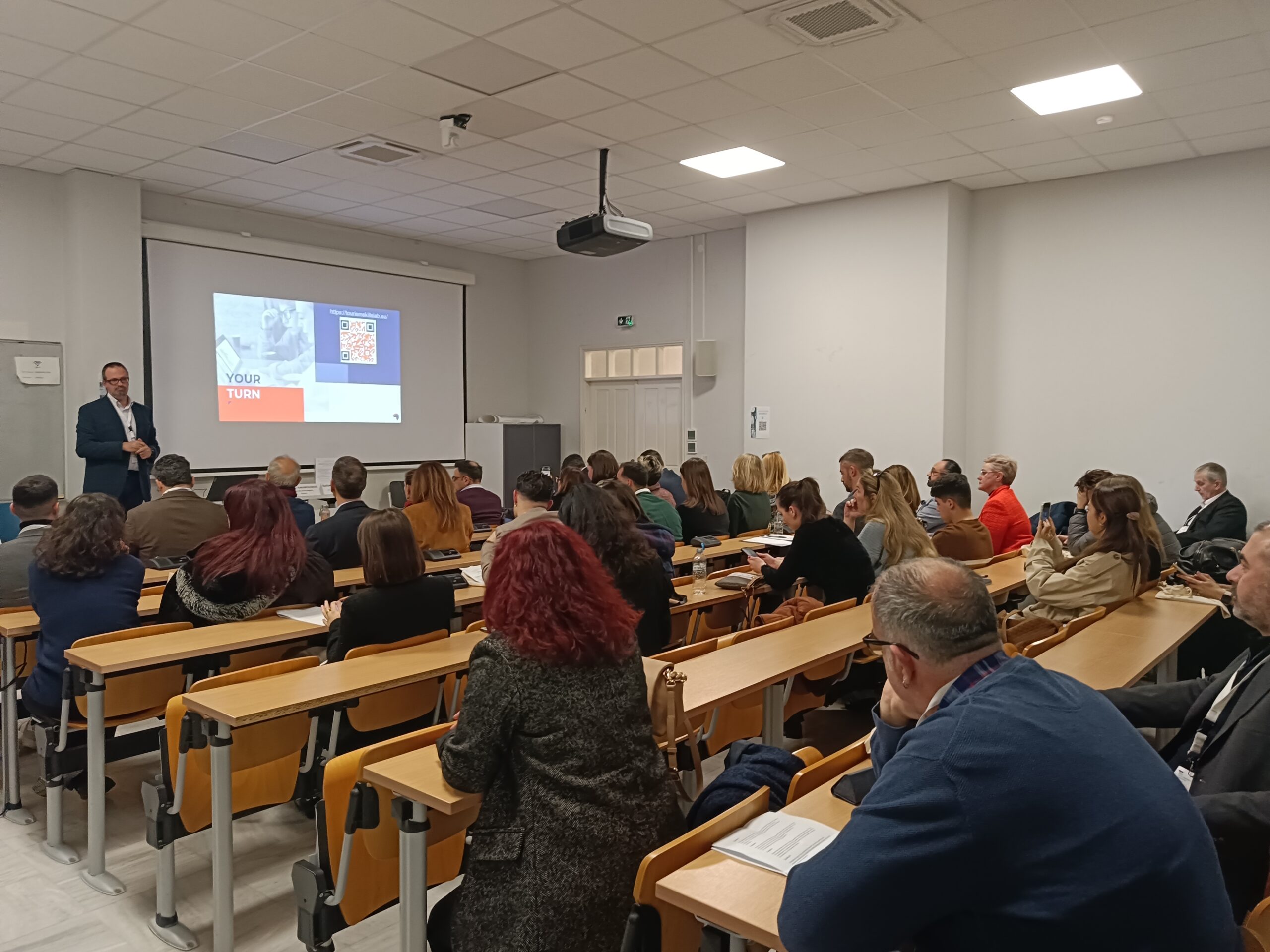
The event was structured in two parts. In the first part, titled “The PANTOUR Project in a Nutshell – Insights and Findings”, the project was presented in detail, along with its background and its direct connection to the NTG (Next Tourism Generation Skills Alliance), the first European alliance aimed at improving the collaborative relationship between tourism education and the labor market. The members of the consortium and the strategic objectives of the project were analyzed, with special emphasis given to the added value it offers to the sector, as well as to the key deliverables that promote innovation.
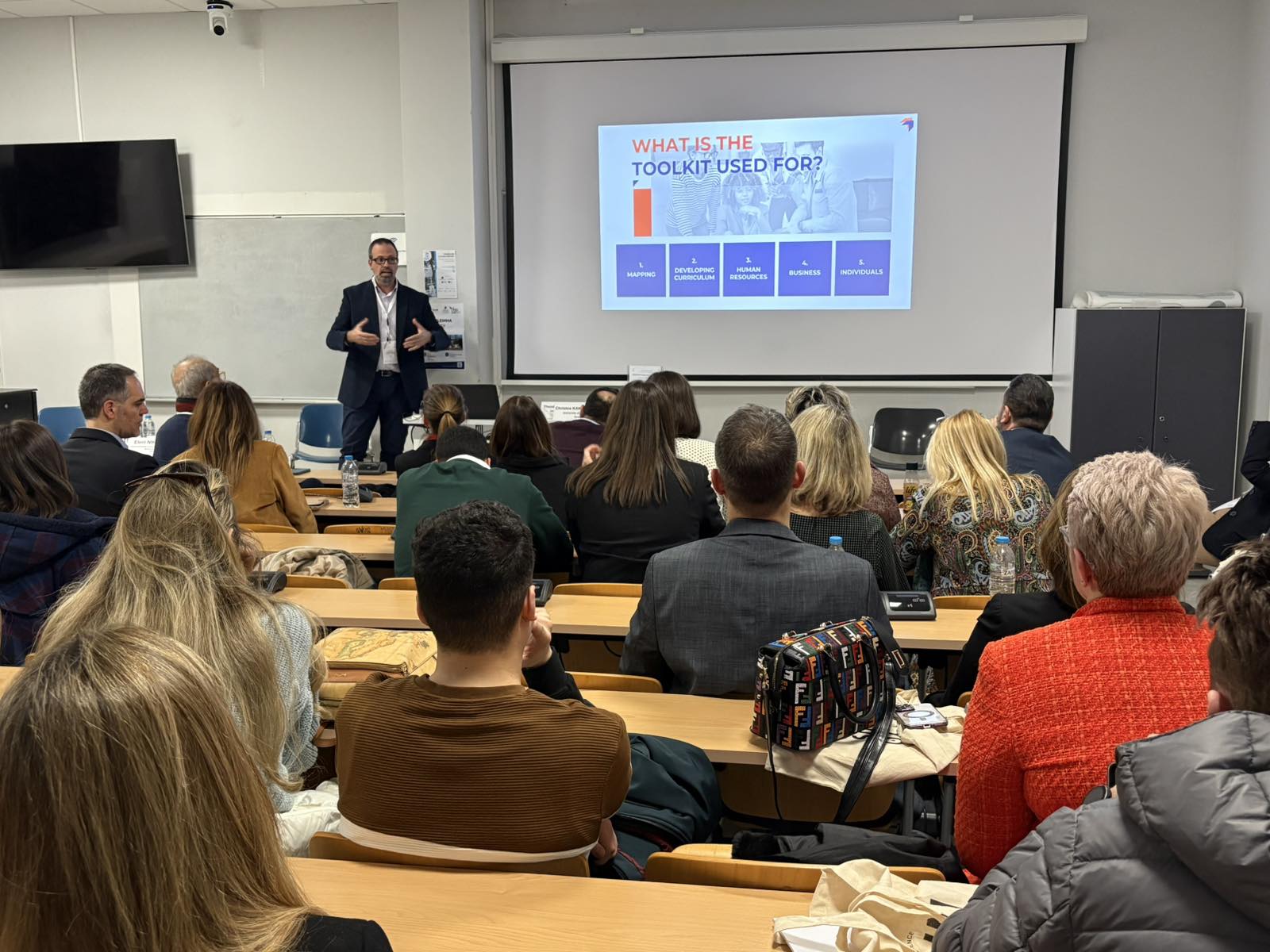
Subsequently, the Skills LAB was presented, a comprehensive, innovative toolkit designed to bridge the critical skills gap in the European tourism sector. Participants showed keen interest in how this accessible tool allows individuals to map their current competencies and identify opportunities for lifelong learning. For example, an employee can use the platform to assess their current level of digital literacy or green skills, and search for targeted micro-learning modules to bridge the identified gaps. This helps employees and employers remain competitive and allows education providers to align their curricula with the real needs of the industry.
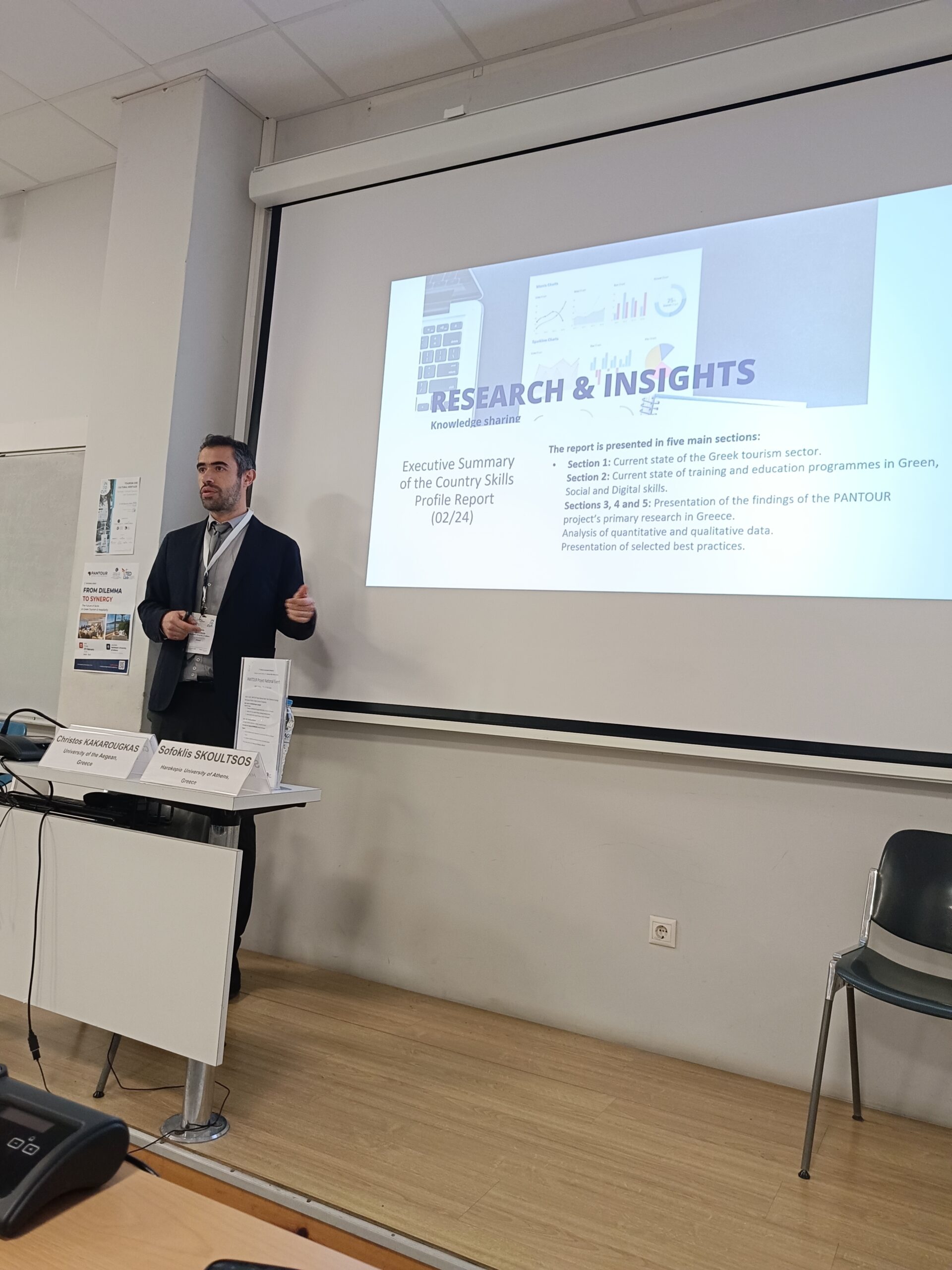
The first part concluded with the presentation of the Executive Summary of the Greek Skills Profile Report, focusing on current proficiency levels and those that will be required by 2030 at the national level, driven by the core of PANTOUR: Green, Digital, and Social skills.
Governance, Academia, and Industry: Building a Synergy for the Future
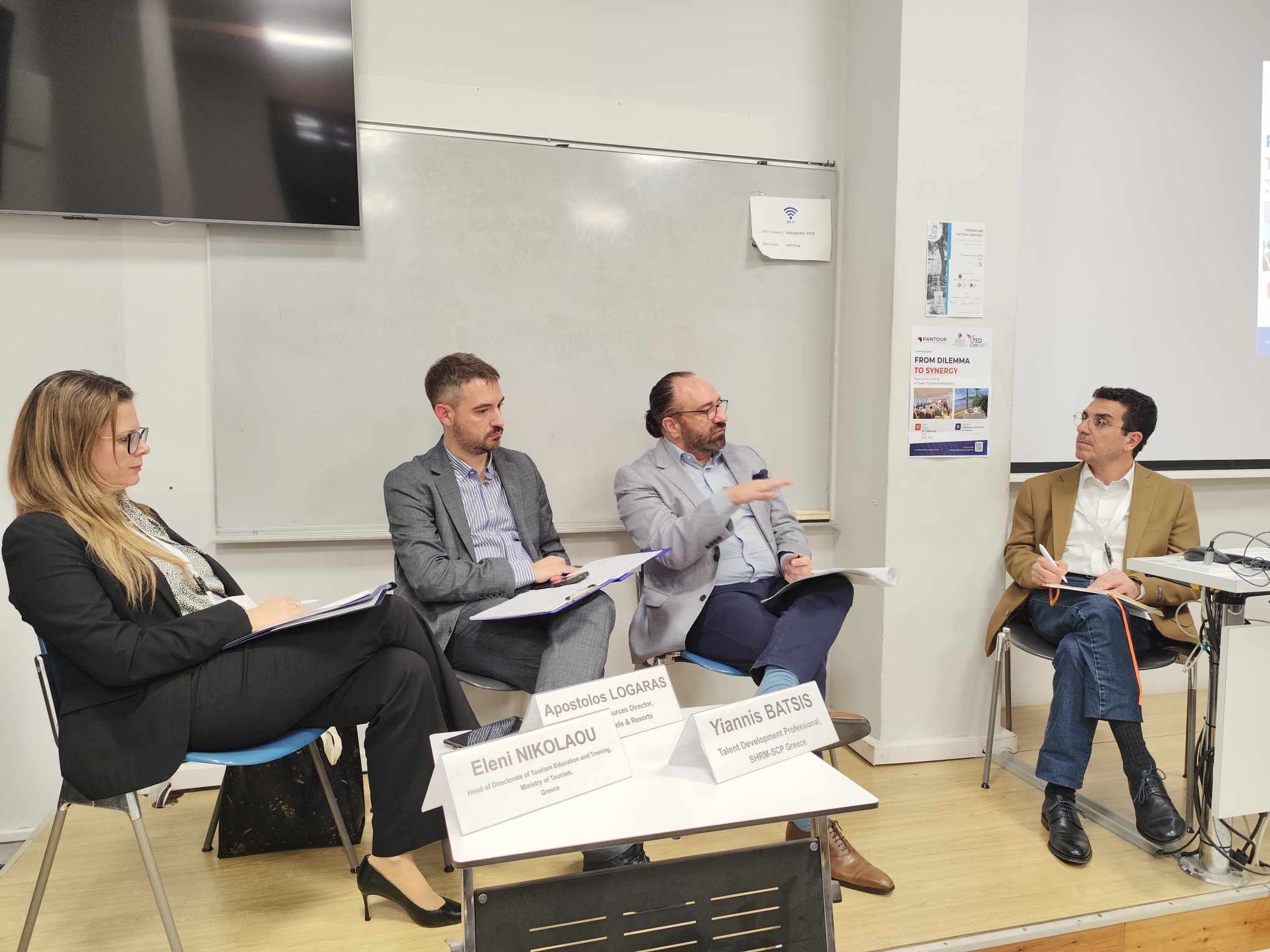
In the second part of the event, titled “Governance, Academia, and Industry: Building a Synergy for the Future”, a dynamic roundtable discussion took place, with the participation of Ms. Eleni Nikolaou (Head of Directorate of Tourism Education and Training, Greek Ministry of Tourism), Mr. Apostolos Logaras (Human Resources Director, Electra Hotels & Resorts), and Mr. Yiannis Batsis (Talent Development Professional – SHRM-SCP). The discussion highlighted critical issues for the sustainability of the sector, ranging from the challenges of the digital transition to the meaningful integration of Equality, Diversity, and Inclusion (EDI) practices.
- Bridging the Skills Gap: During the discussion, it was pointed out that digital and green skills remain firmly at the top of the agenda. This constant demand is driven by the industry’s rapid digital transition and the pressing need for sustainable development to ensure long-term viability. However, the recorded shortages in key operational roles led the Ministry of Tourism to the successful implementation of pilot specialties. From the industry’s perspective, the urgent need to develop leadership skills was emphasized, especially at the middle management level. Social competencies (soft skills) such as meaningful communication, constructive feedback, and coaching, which were often undervalued in the past due to the pressure of the high season, are now recognized as absolutely crucial. At the same time, the need to enhance commercial and financial literacy in departments such as the Front Office and Food & Beverage was highlighted. This is essential so that the staff can clearly understand how their everyday decisions directly impact the business’s revenue generation, cost management, and overall strategic profitability.
- The Challenge of Artificial Intelligence (AI) and the Value of the Human Touch: Strong concern was expressed regarding the role of Artificial Intelligence, particularly for employees in the early stages of their careers. Although technology will continue to automate processes (e.g., dynamic pricing, staff scheduling), the “heart” of hospitality remains indisputably the human touch. Authentic experiences and empathy are hard to replace, a fact that highlights the strategic role of Human Resources departments in maintaining this delicate balance.
- Equality, Diversity, and Inclusion (EDI): The discussion revealed that the integration of EDI is not merely a moral imperative but a strong strategic advantage for the sustainable growth of businesses and the attraction of new talent. The Ministry of Tourism has already launched targeted actions, such as training professionals to better serve individuals on the autism spectrum, child abuse recognition seminars, and improving accessibility. The private sector is following with steady steps, proceeding with the hiring of individuals with disabilities, collaborating with specialized organizations (e.g., Margarita Vocational Training Center), and signing the Diversity Charter Greece. The Diversity Charter Greece is an initiative supported by the European Commission that promotes equality and diversity in the workplace; by signing it, companies make a formal, public commitment to foster an inclusive work environment free from discrimination based on gender, age, race, disability, or sexual orientation. Such initiatives demonstrably strengthen employee engagement and fortify employer branding.
Structural Factors and Conclusions
The skills gap was recorded as a multidimensional problem, directly intertwined with the seasonality of Greek tourism, the lack of organized training structures in small and medium-sized enterprises, and the leakage of trained personnel. Despite the challenges, the event concluded with a strong and optimistic message. The newest graduates of tourism studies today possess excellent operational foundations and a deep understanding of the industry. The next challenge is the further cultivation of adaptability, social skills, and resilience in the face of the future complexities of the profession. Only through solid collaboration and the creation of strong “skills partnerships” among the government, educational institutions, and the industry will we be able to build a workplace that is resilient, innovative, accessible, and deeply human-centric.
No Comments