

Skills as strategy: PANTOUR’s Dutch national event puts workforce intelligence at the heart of hospitality’s future
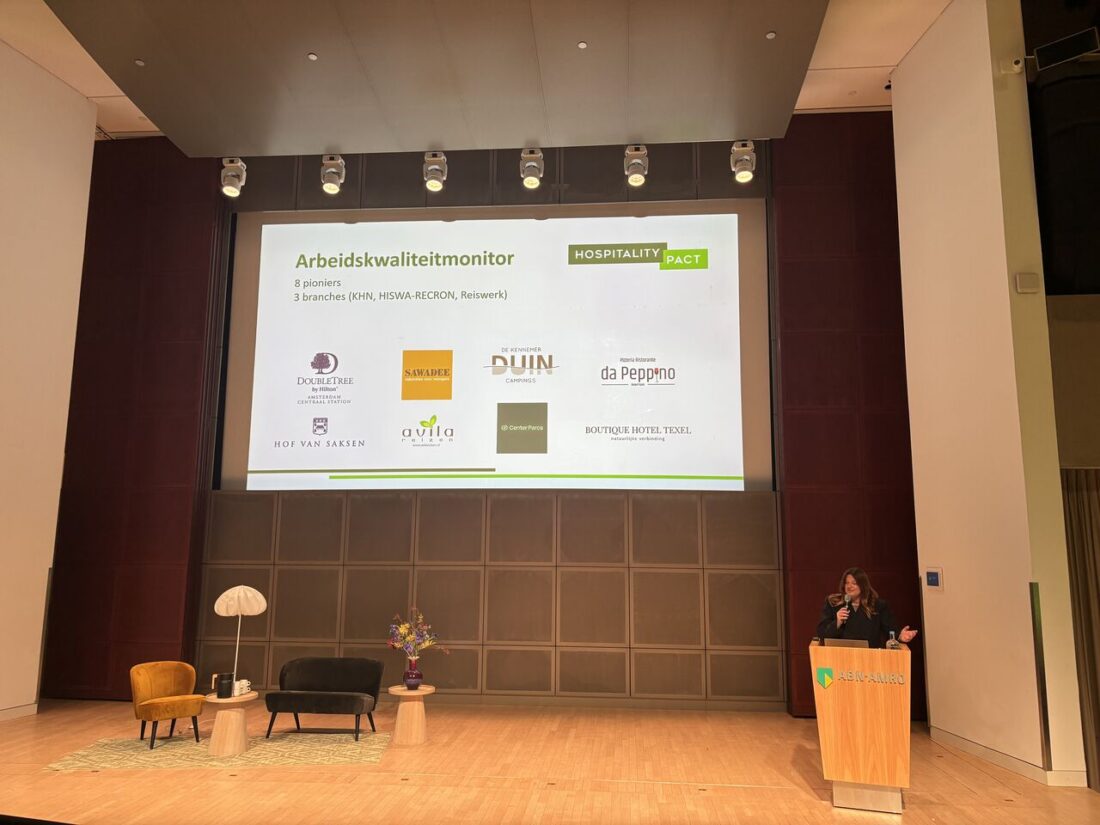
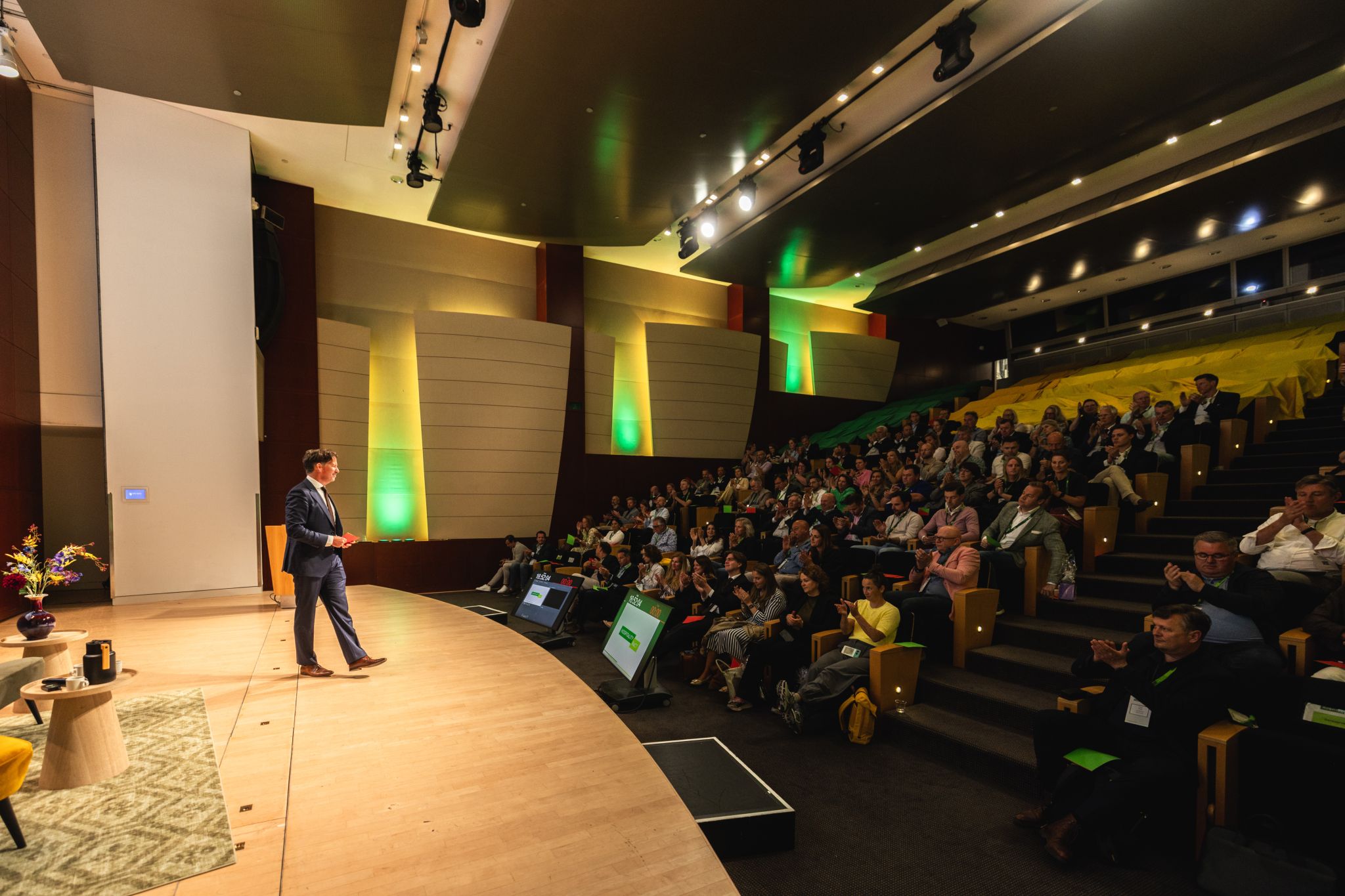
On 8 June 2025, the annual Hospitality Pact public event brought together 110 tourism and hospitality professionals, directors, executives and policymakers at the headquarters of ABN AMRO in Amsterdam, one of the Netherlands’ largest financial institutions. The setting was fitting: a sector in transition, presenting its evidence to the people with the power to act on it. This event marked the official PANTOUR dissemination event in the Netherlands, as the Hospitality Pact functions as national skills partnership in the country.
The event marked a significant moment for PANTOUR. As the Dutch National and Regional Skills Partnership (NRSP) within the project, the Hospitality Pact hosted the national launch of a new labour market report on the Dutch hospitality sector, developed in direct alignment with PANTOUR’s Sectoral Skills Intelligence Monitor (SSIM) methodology, and served as the project’s national dissemination event in the Netherlands. Breda University of Applied Sciences (BUas), leading the Research and Innovation working group within the Hospitality Pact, presented the findings to an audience of employers, educators and policymakers. What the room heard was not a routine HR update. It was a sector-wide reckoning.
A sector at a tipping point
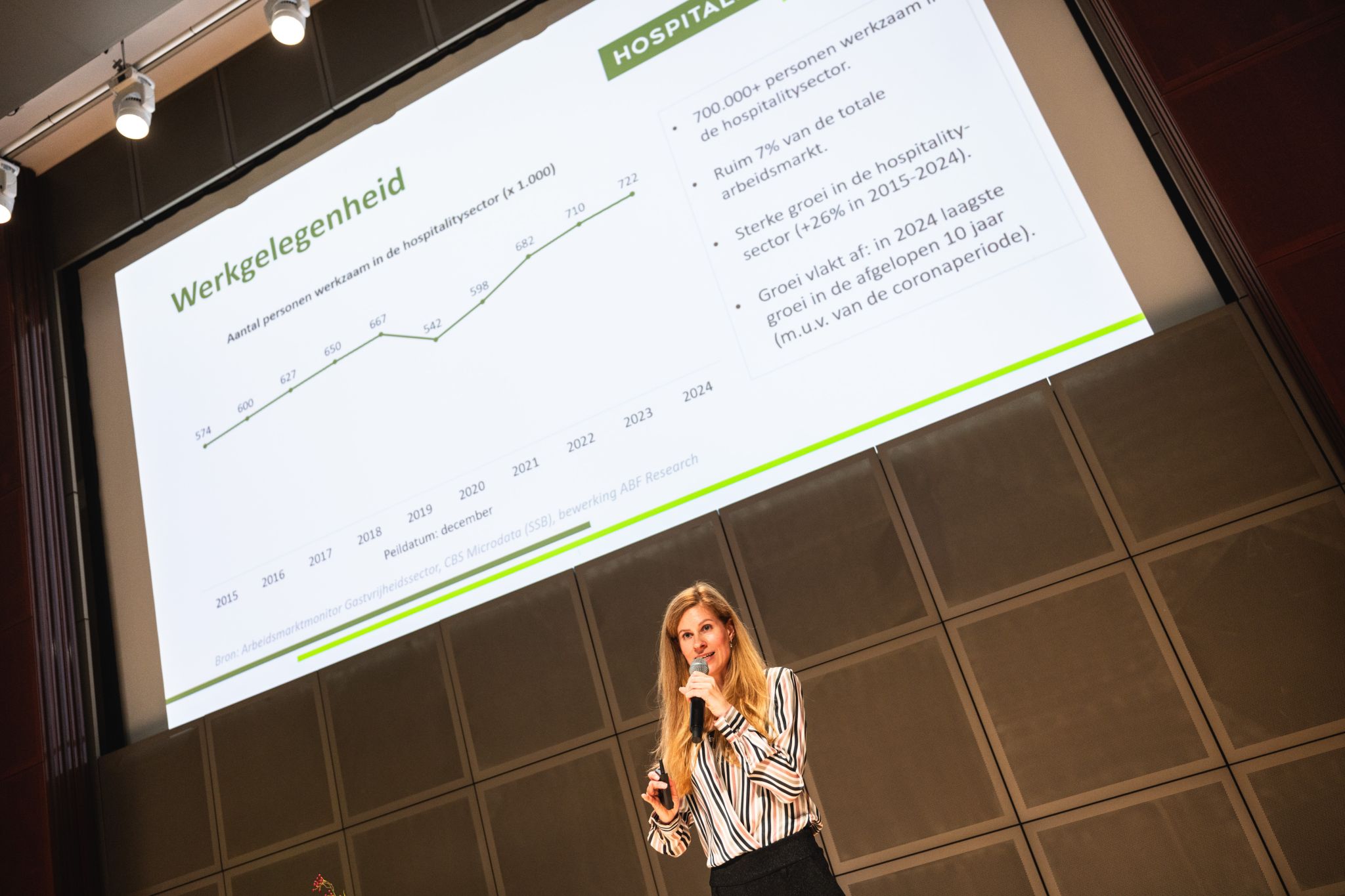
The report’s central message was unambiguous. With approximately 722,000 people working in the Dutch hospitality sector in 2024, 26% more than in 2015, the sector has returned to growth since the pandemic. But that growth is flattening, and the structural pressures underneath it are intensifying. As BUas researcher Lobke Elbers put it during the presentation: “The staffing shortages are not cyclical, they are structural.” Declining youth demographics, growing competition from other sectors, an ageing workforce driving replacement demand, and persistently high annual turnover, roughly a quarter of all hospitality employees leave the sector each year ,combine to create a labour market under sustained and compounding pressure.
Researcher Marloes de Vries captured the tension plainly: “Demand for staff remains high, while supply is under pressure.” The question the event posed to its audience was no longer whether the sector needs to change, but how.
From roles to skills, from efficiency to empathy
Drawing on PANTOUR’s skills intelligence framework and the best practice analysis embedded in the report, the presentations pointed to a consistent direction of travel. The sector is shifting, necessarily, from organising work around fixed job descriptions to organising it around competencies and talent. Technical knowledge remains essential, but communicative and empathic skills are becoming equally decisive. Elbers described the emerging model as a “high empathy sector”: one in which technology absorbs routine tasks, and the distinctive value of human work shifts towards what people do best: attention, interpretation, connection.
This framing is directly aligned with PANTOUR’s broader European research agenda. Across the project’s national and sectoral skills intelligence work, the same pattern emerges: the skills most at risk of shortage are not the most technical, but the most human. And the organisations best positioned to attract and retain talent are those that treat culture not as a soft background condition but as a strategic priority.
The event explored five concrete shifts that the research identifies as defining the future of hospitality employment: from employer branding campaigns to the quality of daily working culture; from HR instruments to leadership accountability; from salary as the primary retention driver to meaningful work and professional development; from top-down management to genuine employee dialogue; and from technology as a replacement for human contact to technology as a support for it. As Elbers observed: “People who want to work with people do not want to work as an extension of a system. They want to make a difference in human contact.”
Intelligence into action
What distinguished this event was its demonstration of what skills intelligence can do when it is grounded in national context and presented to the people with the authority to respond to it. The SSIM-inspired report gave the Hospitality Pact’s members not only a picture of where the sector stands, but a language and a framework for the conversations that need to follow. The event closed with a practical set of actions for hospitality employers: invest structurally in learning and development; strengthen daily working culture; develop leadership capacity for meaningful employee dialogue; organise work around skills rather than fixed roles; deploy technology in support of people rather than in place of them; and attend to the conditions, development, recognition, purpose that make employment worth staying for.
A national event with European roots
The Dutch event was one of the national events organised across the PANTOUR consortium countries, each reflecting its own context, priorities and participants. Yet a striking degree of convergence has emerged across them. Read together, the national conversations paint a coherent and compelling picture of where European tourism skills policy stands today and where it needs to go: towards smarter intelligence, stronger partnerships between research and practice, and a shared commitment to placing people, their development, their wellbeing, their evolving expectations, at the centre of what a competitive and sustainable tourism sector looks like.
For PANTOUR, the Hospitality Pact event demonstrated something that matters beyond the Netherlands: that European skills intelligence, when translated into nationally grounded, sector-relevant dialogue, can move from research finding to strategic conversation in a single afternoon.
No Comments